Introduction to Exclusive Pumping
In my Austin practice, I've worked with numerous moms who have chosen exclusive pumping as their feeding method. As an International Board Certified Lactation Consultant (IBCLC), I've seen firsthand the benefits of exclusive pumping, which include the ability to provide breast milk to your baby while also having the flexibility to return to work or school. According to the CDC, exclusive breastfeeding, which includes exclusive pumping, is recommended for the first six months of life, as it can reduce the risk of respiratory tract infections by 72% and ear infections by 50% (CDC, 2020). The American Academy of Pediatrics (AAP) also recommends exclusive breastfeeding for the first six months, citing its numerous health benefits for both mom and baby (AAP, 2012).

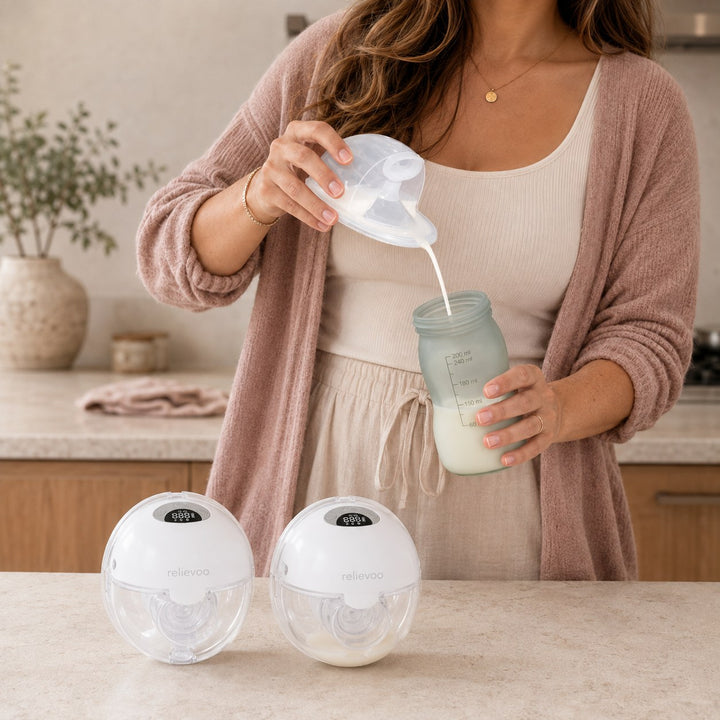
One of the most popular products among my clients is the TheRelievoo Wearable Pump, a lab-tested, hospital-grade hands-free wearable pump that is under 35 dB and priced at $169.90 (was $339.80). With free USPS tracked delivery across the US, a 30-day money-back guarantee, and a lifetime warranty, it's no wonder that this product has received 4.8★ from American moms. I've seen many moms use this pump with great success, and it's a game-changer for those who value convenience and discretion.
Creating an Exclusive Pumping Schedule
Exclusive Pumping Schedule by Month PDF
While there isn't a one-size-fits-all exclusive pumping schedule, I recommend creating a personalized schedule based on your baby's age and your milk supply. You can find many exclusive pumping schedule templates online, including PDFs, to help you get started. For example, the AAP recommends that exclusively pumped breast milk should be provided at a rate of 25-30 ounces per day at 1-2 months, 28-32 ounces per day at 3-4 months, and 30-35 ounces per day at 5-6 months (AAP, 2012).
Exclusive Pumping Schedule by Month Reddit
Online communities like Reddit can be a great resource for connecting with other exclusive pumping moms and sharing tips and advice. However, it's essential to remember that every mom's experience is unique, and what works for one mom may not work for another. I always advise my clients to take online advice with a grain of salt and to consult with a qualified healthcare professional, like an IBCLC, for personalized guidance.
Exclusive Pumping Schedule 3 Months
At three months, your baby will likely need around 24-32 ounces of breast milk per day. To maintain your milk supply, you'll want to pump at least 8-10 times per day, with each pumping session lasting around 10-15 minutes. This can be a challenging time for many moms, as they're often returning to work or adjusting to new schedules. As one of my clients shared,
I was so worried about going back to work and not being able to pump enough, but with the right schedule and support, I was able to provide all the milk my baby needed. It was a huge relief, and I felt like I could finally breathe again.
Exclusive Pumping Schedule 4 Months
At four months, your baby's milk needs will increase to around 28-36 ounces per day. You'll want to pump at least 8-10 times per day, with each pumping session lasting around 10-15 minutes. It's essential to stay hydrated and fueled during this time, as your body is working hard to produce milk for your baby. I recommend drinking plenty of water and eating nutrient-rich foods, like leafy greens and whole grains, to support your milk supply.
Exclusive Pumping Schedule 6 Months
At six months, your baby will likely need around 30-40 ounces of breast milk per day. To maintain your milk supply, you'll want to pump at least 8-10 times per day, with each pumping session lasting around 10-15 minutes. This is a great time to start introducing solid foods to your baby, but be sure to continue pumping regularly to support your milk supply. The CDC recommends that babies be introduced to solid foods at around 6 months, and that breast milk should continue to be provided until at least 12 months (CDC, 2020).
Step-by-Step Guide to Exclusive Pumping
- Choose a high-quality breast pump, such as the TheRelievoo Wearable Pump, that is comfortable and efficient. Look for a pump that is lab-tested and has good reviews from other moms.
- Create a personalized pumping schedule based on your baby's age and your milk supply. Be sure to take into account your work schedule, travel plans, and other factors that may impact your ability to pump.
- Pump regularly, at least 8-10 times per day, to maintain your milk supply. This can be challenging, but it's essential to provide your baby with the milk they need.
- Store your breast milk safely and hygienically, using airtight containers or freezer bags. Be sure to label and date each container, and store them in the fridge or freezer at 0°F (-18°C) or below.
- Consider investing in a Double Breast Pump Hands Free to make pumping more efficient and convenient. This can be a game-changer for moms who value discretion and flexibility.

Common Mistakes to Avoid
One of the most common mistakes exclusive pumping moms make is not pumping frequently enough, which can lead to a decrease in milk supply. Another mistake is not storing breast milk safely, which can lead to contamination and spoilage. I always advise my clients to prioritize their pumping schedule and to take the time to properly store and label their breast milk.
It's also essential to avoid comparing yourself to other moms, as every mom's experience is unique. Instead, focus on your own journey and celebrate your successes, no matter how small they may seem. Remember, exclusive pumping is a journey, and it's okay to take it one day at a time.
Conclusion and Next Steps
Exclusive pumping can be a challenging but rewarding experience for moms. By following these steps and avoiding common mistakes, you can create a personalized exclusive pumping schedule that works for you and your baby. For more information on double breast pumps, check out our article on Double Breast Pump Electric.
Consider investing in the TheRelievoo Wearable Pump to make your exclusive pumping journey easier and more convenient. With its comfortable design, efficient pumping, and affordable price, it's a great option for moms who want to provide their babies with the best possible nutrition.

Frequently Asked Questions
-
Q: Is exclusive pumping breastfeeding?
A: Yes, exclusive pumping is a form of breastfeeding, as it involves expressing and providing breast milk to your baby. -
Q: Is exclusive pumping as good as breastfeeding?
A: While exclusive pumping is not the same as direct breastfeeding, it can provide many of the same benefits, including the provision of breast milk and the opportunity for skin-to-skin contact. According to the CDC, exclusive breastfeeding can reduce the risk of SIDS by 50% (CDC, 2020). -
Q: Is exclusive pumping possible?
A: Yes, exclusive pumping is possible, but it requires commitment, patience, and the right equipment, such as a high-quality breast pump. With the right support and guidance, many moms are able to successfully exclusive pump for 6 months or more. -
Q: Is exclusive pumping still breastfeeding?
A: Yes, exclusive pumping is still considered breastfeeding, as it involves the provision of breast milk to your baby. The AAP recommends that breastfeeding continue until at least 12 months, and exclusive pumping can be a great way to achieve this goal (AAP, 2012). -
Q: Why exclusive pump?
A: Exclusive pumping can be a good option for moms who are returning to work or school, or who have difficulty breastfeeding directly. It can also be a great way to provide breast milk to your baby if you have a medical condition or are taking certain medications that make breastfeeding challenging. -
Q: When exclusively pumping, how often should I pump?
A: The frequency of pumping will depend on your baby's age and your milk supply, but most moms pump at least 8-10 times per day. Be sure to consult with a qualified healthcare professional, like an IBCLC, to determine the best pumping schedule for you and your baby.
Written by Jessica Nolan, IBCLC
International Board Certified Lactation Consultant (Austin, Texas)
Jessica is an IBCLC and mom of two based in Austin, Texas. Since 2018 she has supported 500+ American families with breastfeeding, pumping and the return-to-work transition, and writes all TheRelievoo USA guides in-house with the product team. She is a member of the United States Lactation Consultant Association (USLCA) and works alongside local La Leche League USA groups.
Clinically reviewed by Dr. Rachel Adams, MD, FAAP (Austin, Texas)