Introduction to Pumping at Work Law Australia
In my Sydney clinic, I often meet mums who are unsure about their rights when it comes to pumping at work in Australia. As an International Board Certified Lactation Consultant (IBCLC), I want to empower you with the knowledge and confidence to navigate these laws and make the transition back to work smoother. You can contact the Australian Breastfeeding Association on 1800 686 268 for breastfeeding support and advice.
According to the Australian Breastfeeding Association, expressing and storing breast milk is a crucial part of breastfeeding, and all mums have the right to do so in a safe and private environment. You can also visit the Raising Children Network website or call them on 1300 881 971 for more information on breastfeeding and returning to work.
Step-by-Step Guide to Pumping at Work
Step 1: Understand Your Rights
Under Australian law, all employees have the right to express and store breast milk in a safe and private environment. This includes access to a clean and private space, as well as storage facilities for expressed breast milk. For example, if you're working in a busy office in Sydney's CBD, you may need to discuss with your employer the best options for a private space to express.
Step 2: Choose the Right Breast Pump
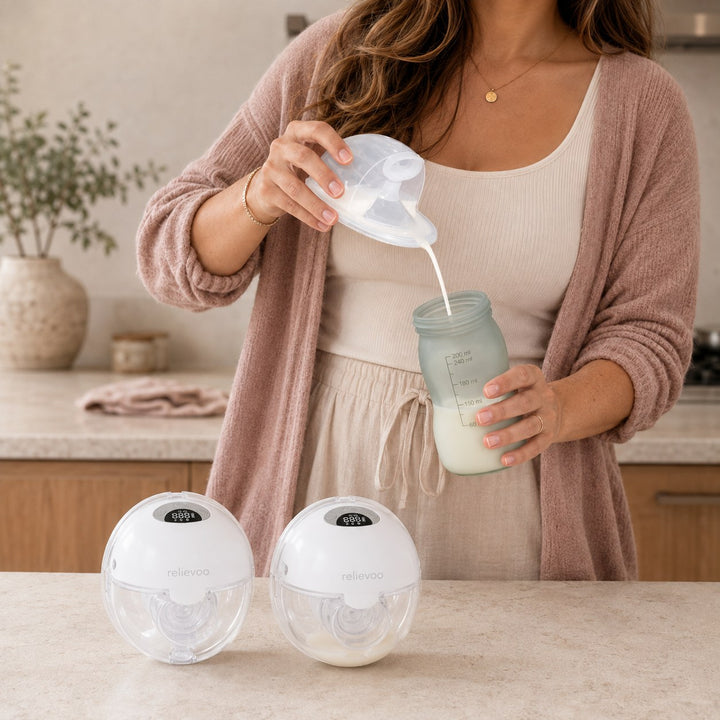
Investing in a good quality breast pump can make all the difference when it comes to expressing and storing breast milk. The Wearable Breast Pump (Double) is a great option, offering hospital-grade suction and a discreet design. Plus, with free Australia-wide shipping and a 30-day money-back guarantee, you can try it risk-free. I've seen many mums successfully use this pump in their workplaces, from hospitals to cafes.
Common Mistakes to Avoid
Not Discussing Pumping at Work with Your Employer
It's essential to discuss your pumping needs with your employer before returning to work. This will help you both to understand your rights and responsibilities and make necessary arrangements. I recall a mum who
was worried about expressing at work, but after discussing her needs with her employer, they were able to provide a private room for her to express, and she was able to successfully continue breastfeeding her baby. The sound of the breast pump humming in the background, the feeling of relief as the milk flowed, and the smell of the freshly expressed milk are all sensory details that she remembered vividly.
Not Having a Plan for Storing Expressed Breast Milk
According to the Australian Breastfeeding Association — Storing breast milk, expressed breast milk should be stored in a clean and private environment. Make sure you have a plan in place for storing your expressed breast milk safely and efficiently, such as using a breast milk storage bag or container and labeling it with the date and time it was expressed.
Laws for Pumping in the Workplace
State Laws for Pumping at Work
Laws for pumping at work vary from state to state in Australia. For example, in NSW, the NSW Health website provides guidance on breastfeeding and expressing breast milk in the workplace. In Victoria, the Victorian Government Health website has information on breastfeeding and returning to work.
Pumping Rules at Work
According to the Pregnancy, Birth and Baby website, all employees have the right to express and store breast milk in a safe and private environment. This includes access to a clean and private space, as well as storage facilities for expressed breast milk. It's essential to check with your employer and relevant state or territory government websites for specific information on pumping rules at work in your area.
Pumping at Work Rights
Pumping at Work NSW
In NSW, mums have the right to express and store breast milk in a safe and private environment. For more information, visit the NSW Health website or contact the Australian Breastfeeding Association on 1800 686 268.
Is Pumping at Work Protected?
Yes, pumping at work is protected under Australian law. All employees have the right to express and store breast milk in a safe and private environment. The Fair Work Act 2009 (Cth) and the Sex Discrimination Act 1984 (Cth) provide protections for breastfeeding employees.
Conclusion and Next Steps
Returning to work as a breastfeeding mum can be challenging, but with the right knowledge and support, you can navigate pumping at work laws in Australia with confidence. For more information on the best breast pumps for working mums, check out our guide to the Best Breast Pump Australia 2026. And, if you're looking for a reliable and efficient breast pump, consider the Wearable Breast Pump (Double) for just $169.90.
Frequently Asked Questions
Here are some frequently asked questions about pumping at work law in Australia:
-
Q: Is pumping at work protected?
A: Yes, pumping at work is protected under Australian law. -
Q: Does pumping at work count as a break?
A: According to the Fair Work Ombudsman, expressing breast milk is considered a legitimate reason for taking a break at work. -
Q: What are the laws for pumping in the workplace?
A: Laws for pumping at work vary from state to state in Australia, but all employees have the right to express and store breast milk in a safe and private environment. -
Q: What are the state laws for pumping at work?
A: State laws for pumping at work vary, but all states and territories have laws in place to protect the rights of breastfeeding mums. You can visit the relevant state or territory government website for more information. -
Q: What are the pumping rules at work?
A: Pumping rules at work vary, but all employees have the right to express and store breast milk in a safe and private environment. It's essential to check with your employer and relevant state or territory government websites for specific information on pumping rules at work in your area. -
Q: How do I choose the right breast pump for pumping at work?
A: When choosing a breast pump for pumping at work, consider a pump that is discreet, efficient, and easy to use, such as the Wearable Breast Pump (Double).
Written by Emma Hart, IBCLC
International Board Certified Lactation Consultant (Sydney, Australia)
Emma is an IBCLC and mum of two based in Sydney. Since 2018 she has supported 500+ Australian families with breastfeeding, expressing and the return-to-work transition, and writes all TheRelievoo Australia guides in-house with the product team. She is a member of the Australian Breastfeeding Association.
Clinically reviewed by Dr Sophie Nguyen, MBBS FRACGP (Sydney)