Introduction to Exclusive Pumping
In my Austin practice, I've seen many moms who choose exclusive pumping as a way to provide breast milk for their newborns. According to the CDC, exclusive breastfeeding is recommended for the first six months of life, with 83.2% of infants born in 2020 ever breastfed, and 55.8% breastfed at 6 months. However, exclusive pumping can be a great alternative for moms who are unable to breastfeed directly, with the American Academy of Pediatrics recommending that moms aim to pump 8-12 times per day to maintain milk supply.

I recently worked with a mom at a La Leche League USA meeting who was interested in exclusive pumping. She had heard about the benefits of breast milk, including reducing the risk of respiratory tract infections by 72% and the risk of ear infections by 50%, according to the CDC. She wanted to provide it for her baby, but she was unsure about how to get started.
I remember one mom in particular who was having trouble establishing her milk supply. She was pumping 6-8 times per day, but her milk production was low. I recommended that she increase her pumping frequency to 10-12 times per day, and also focus on proper latch and positioning when she did get to breastfeed her baby. Within a week, her milk supply had increased significantly, and she was able to exclusively pump for her baby. The sound of her baby's coos and the smell of freshly expressed milk were a testament to the success of our plan.
Step-by-Step Guide to Creating an Exclusive Pumping Schedule
Step 1: Choose a Breast Pump
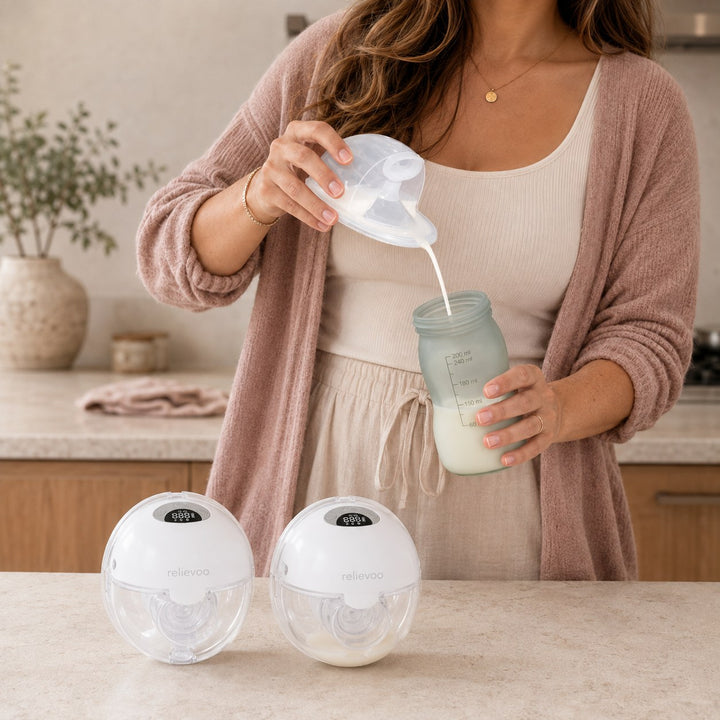
When it comes to exclusive pumping, having a good breast pump is essential. I recommend the TheRelievoo Wearable Pump, which is a hospital-grade, hands-free wearable pump that is under 35 dB, making it perfect for pumping on-the-go. It's available for $169.90, which is a significant discount from the original price of $339.80.
Step 2: Determine Your Pumping Frequency
According to the American Academy of Pediatrics, moms should aim to pump 8-12 times per day to maintain milk supply. However, this frequency may vary depending on your individual needs and your baby's age. For example, newborns typically require more frequent pumping, with 10-12 sessions per day, while older babies may require fewer sessions, with 6-8 per day.
Step 3: Create a Pumping Schedule
Once you've determined your pumping frequency, you can create a schedule that works for you. You can use a planner or an app to keep track of your pumping sessions and make sure you're staying on schedule. Consider setting reminders on your phone or putting notes on your fridge to help you stay on track.
Common Mistakes to Avoid
Not Pumping Frequently Enough
One of the most common mistakes moms make when exclusive pumping is not pumping frequently enough. This can lead to a decrease in milk supply and make it difficult to maintain a consistent schedule. Aim to pump at least 8-12 times per day, and consider increasing frequency if you notice a decrease in milk production.
Not Storing Breast Milk Properly
Another mistake moms make is not storing breast milk properly. According to the Office on Women's Health, breast milk should be stored in airtight containers in the refrigerator or freezer to maintain its quality and safety. Consider using breast milk storage bags or containers specifically designed for breast milk storage.

Exclusive Pumping Schedule by Month
Month 1: Establishing Milk Supply
In the first month, it's essential to establish a good milk supply. This means pumping frequently, usually 10-12 times per day, to stimulate milk production. Consider pumping every 2-3 hours, including at least one session during the night, to help establish a strong milk supply.
Month 2-3: Maintaining Milk Supply
Once you've established a good milk supply, you can maintain it by continuing to pump frequently. You may need to adjust your pumping schedule as your baby grows and your milk supply regulates. Consider decreasing pumping frequency to 8-10 times per day, but still pumping at least every 3-4 hours.
Month 4-6: Weaning from the Pump
As your baby gets older, you may want to start weaning from the pump. This can be a gradual process, and you should work with a lactation consultant to develop a weaning plan that works for you and your baby. Consider decreasing pumping frequency by one session every few days, and monitoring your baby's response to the decreased milk supply.
Exclusive Pumping and Feeding Schedule
Combining Exclusive Pumping with Formula Feeding
Some moms may choose to combine exclusive pumping with formula feeding. This can be a good option if you're having trouble producing enough milk or if you need to supplement your baby's diet. According to the CDC, approximately 25% of infants are fed formula by 3 days of age, and 43% by 6 months.
Exclusive Pumping and Breastfeeding Schedule
Other moms may choose to combine exclusive pumping with breastfeeding. This can be a good option if you're having trouble latching your baby or if you need to express milk for a babysitter or daycare. Consider pumping before breastfeeding sessions to help stimulate milk production and increase milk supply.
Conclusion and Next Steps
Exclusive pumping can be a great option for moms who want to provide breast milk for their newborns. By following these steps and avoiding common mistakes, you can create an exclusive pumping schedule that works for you and your baby. For more information on breast pumps and exclusive pumping, check out our article on Medela Canadian Tire vs TheRelievoo. Consider trying the TheRelievoo Wearable Pump, which is lab-tested and comes with free USPS tracked delivery across the US, a 30-day money-back guarantee, and a lifetime warranty.

Frequently Asked Questions
-
Q: Is exclusive pumping good for baby?
A: Yes, exclusive pumping can be a great option for moms who want to provide breast milk for their newborns. Breast milk has many benefits for babies, including reducing the risk of infections and promoting healthy growth and development. According to the CDC, breastfed babies have a 72% lower risk of respiratory tract infections and a 50% lower risk of ear infections. -
Q: What is a good pumping and breastfeeding schedule?
A: A good pumping and breastfeeding schedule will depend on your individual needs and your baby's age. Generally, moms should aim to pump 8-12 times per day and breastfeed 8-12 times per day. Consider pumping before breastfeeding sessions to help stimulate milk production and increase milk supply. -
Q: How often should I be pumping with a newborn?
A: With a newborn, you should aim to pump 10-12 times per day to establish a good milk supply. As your baby gets older, you may need to adjust your pumping schedule to maintain your milk supply. Consider decreasing pumping frequency to 8-10 times per day, but still pumping at least every 3-4 hours. -
Q: Can I combine exclusive pumping with formula feeding?
A: Yes, you can combine exclusive pumping with formula feeding. This can be a good option if you're having trouble producing enough milk or if you need to supplement your baby's diet. According to the CDC, approximately 25% of infants are fed formula by 3 days of age, and 43% by 6 months. -
Q: Can I combine exclusive pumping with breastfeeding?
A: Yes, you can combine exclusive pumping with breastfeeding. This can be a good option if you're having trouble latching your baby or if you need to express milk for a babysitter or daycare. Consider pumping before breastfeeding sessions to help stimulate milk production and increase milk supply. -
Q: What are the benefits of using a wearable breast pump?
A: Wearable breast pumps, like the TheRelievoo Wearable Pump, offer many benefits, including convenience, comfort, and discretion. They are also often more efficient than traditional breast pumps, which can save you time and reduce stress. Consider using a wearable breast pump to make pumping easier and more convenient.
Written by Jessica Nolan, IBCLC
International Board Certified Lactation Consultant (Austin, Texas)
Jessica is an IBCLC and mom of two based in Austin, Texas. Since 2018 she has supported 500+ American families with breastfeeding, pumping and the return-to-work transition, and writes all TheRelievoo USA guides in-house with the product team. She is a member of the United States Lactation Consultant Association (USLCA) and works alongside local La Leche League USA groups.
Clinically reviewed by Dr. Rachel Adams, MD, FAAP (Austin, Texas)