Introduction to Pumping While Traveling
As a mum, traveling with your baby can be a daunting task, especially when it comes to breastfeeding. In my London clinic, I often meet mums who are concerned about pumping while traveling, whether it's a trip to the countryside or a commute on the Tube. The NHS recommends exclusive breastfeeding for the first six months (NICE guideline CG107), but this can be difficult when you're on-the-go. That's why I've put together this step-by-step guide on pumping while traveling, tailored to the needs of British mums.

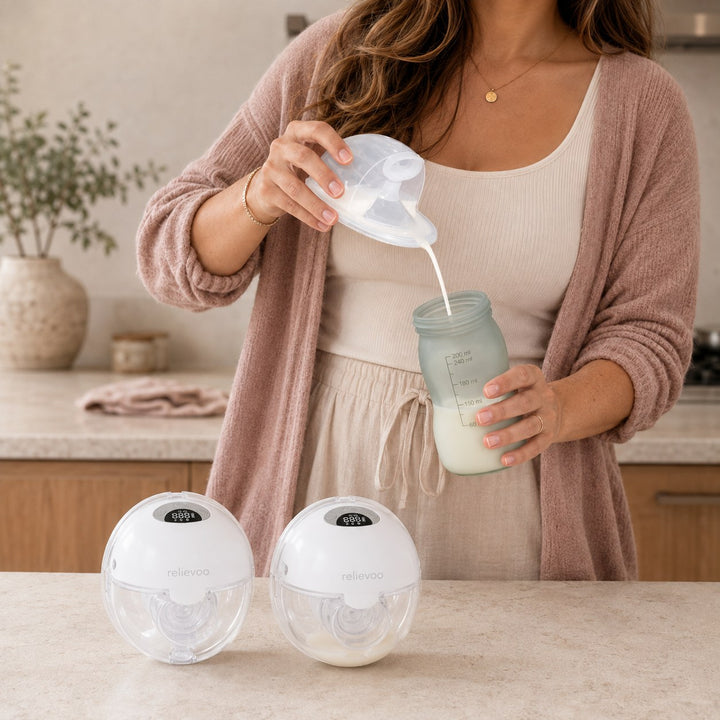
For mums who need to pump on the go, I recommend using TheRelievoo Wearable Pump, a hospital-grade, hands-free wearable pump that's under 35 dB and available for £85.90 (was £171.80). With free Royal Mail tracked delivery, 30-day money-back guarantee, and lifetime warranty, it's the perfect solution for mums who want to pump discreetly and conveniently, whether they're at a baby-friendly café in Covent Garden or on a train to Manchester.
Preparing for Pumping While Traveling
How to Pump While Traveling
Before you start your journey, make sure you have all the necessary equipment, including a breast pump, storage bags, and a cooler. According to the NCT, it's essential to have a plan in place for storing and transporting your expressed breast milk, which should be kept at a temperature of 4°C or below (NHS guidelines). You can use a cooler bag with ice packs or a thermally insulated bag to keep your milk cool for up to 24 hours.
How to Pump Breast Milk While Traveling
When pumping while traveling, it's crucial to find a comfortable and private space. Look for baby-friendly facilities or quiet areas where you can pump without distractions, such as the parenting rooms at King's Cross Station or the baby-changing facilities at Westfield London. The NICE guidelines (CG107) recommend that employers provide a suitable space for breastfeeding and pumping, so don't be afraid to ask your employer or a public venue for a private area.
Step-by-Step Guide to Pumping While Traveling
- Choose a comfortable and private space to pump, such as a quiet corner in a café or a parenting room at a train station
- Assemble your breast pump and attach the cups, making sure they're comfortable and secure
- Set the suction level and start pumping, aiming for a letdown reflex within 2-3 minutes
- Store your expressed breast milk in a cooler or storage bag, labeling it with the date and time it was expressed
- Repeat the process as needed, ideally every 3-4 hours, to maintain your milk supply and prevent engorgement

Common Mistakes to Avoid When Pumping While Traveling
Pumping on the Go Tips
One of the most common mistakes mums make when pumping while traveling is not having a plan in place for storing and transporting their expressed breast milk. Make sure you have a cooler or storage bag with you at all times, and consider packing a small supply of breast milk storage bags and a cooler bag with ice packs.
Pumping While on Holiday
Another mistake is not researching baby-friendly facilities before your trip. Look for hotels or resorts that have baby-friendly rooms or facilities, such as the baby-friendly hotels in London's West End, and don't be afraid to ask for help or assistance. You can also check online reviews or ask other mums for recommendations on baby-friendly destinations.
Pumping While Traveling for Work
Pumping at Work Laws
According to the NHS, employers have a duty to provide a suitable space for breastfeeding and pumping (Equality Act 2010). If you're returning to work, make sure you know your rights and have a plan in place for pumping during work hours. You can learn more about pumping at work laws in our article Pumping at Work Laws: A Step-by-Step Guide for Nursing Mothers.
Pumping Tips Breastfeeding
The La Leche League GB recommends that mums pump regularly to maintain their milk supply. Aim to pump every 3-4 hours, or as needed, to keep your supply up. As one of my clients, Sarah, said:
I was worried about pumping while traveling for work, but with the right equipment and a plan in place, it was a breeze. I pumped on the train, in a quiet corner of a café, and even in a meeting room at work. My baby thrived on my expressed milk, and I felt confident and empowered as a breastfeeding mum.
Conclusion and Final Tips
Pumping while traveling can be challenging, but with the right equipment and plan in place, it can be a breeze. Remember to choose a comfortable and private space, assemble your breast pump, and store your expressed breast milk safely. For more information on the best breast pumps available, check out our article Best Breast Pump 2026 Reddit: A Comprehensive Guide to Finding the Perfect Pump. And, if you're looking for a convenient and discreet pumping solution, consider TheRelievoo Wearable Pump, available for £85.90 (was £171.80).

Frequently Asked Questions
-
Q: How to pump while traveling?
A: Choose a comfortable and private space, assemble your breast pump, and store your expressed breast milk safely, following the NHS guidelines for storing and transporting breast milk. -
Q: How to pump breast milk while traveling?
A: Look for baby-friendly facilities or quiet areas where you can pump without distractions, and store your expressed breast milk in a cooler or storage bag, labeling it with the date and time it was expressed. -
Q: Does pumping get faster?
A: Yes, pumping can get faster with practice and the right equipment. Consider using a hospital-grade breast pump like TheRelievoo Wearable Pump, and aim to pump every 3-4 hours to maintain your milk supply. -
Q: What to do when you want to stop pumping?
A: Gradually reduce the frequency and duration of your pumping sessions to avoid engorgement and discomfort, and consider dropping one pumping session every few days until you've stopped pumping altogether. -
Q: How often should I pump to keep my supply?
A: Aim to pump every 3-4 hours, or as needed, to maintain your milk supply and prevent engorgement, following the La Leche League GB's recommendations for frequent pumping. -
Q: Can pumping trigger labour?
A: No, pumping is not known to trigger labour. However, it's essential to consult with your healthcare provider if you have any concerns, especially if you're at risk of premature labour or have a history of complications during pregnancy.
Written by Olivia Bennett, IBCLC
International Board Certified Lactation Consultant (London, UK)
Olivia is an IBCLC and mum of two based in London. Since 2018 she has supported 500+ British families with breastfeeding, expressing and the back-to-work transition, and writes all TheRelievoo UK guides in-house with the product team. She has been quoted in Mother and Baby and Cosmopolitan UK.
Clinically reviewed by Dr Hannah Whitfield, MBBS MRCGP (London)