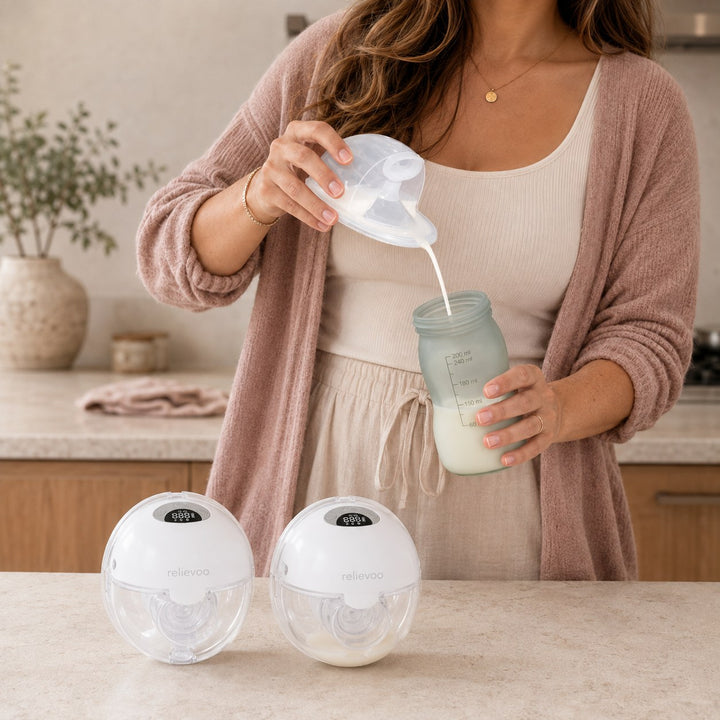
Introduction to Wearable Breast Pumps
As a new mum navigating the world of breastfeeding and expressing milk in London, it's essential to have the right tools and guidance. In my clinic, I often get asked about the best way to use a wearable breast pump for the first time. According to the NHS guidelines (CG30), breastfeeding and expressing milk can be overwhelming, but with the right support, you can overcome any challenges. In this article, we will cover the basics of wearable breast pumps, how to use them, and some common mistakes to avoid, ensuring you have the best possible start to your breastfeeding journey.

Before we dive in, I want to introduce you to the TheRelievoo Wearable Pump, a hospital-grade, hands-free wearable pump that is available for £85.90, with free Royal Mail tracked delivery and a 30-day money-back guarantee. This pump is a great option for mums who want to express milk discreetly and efficiently, and it's backed by a 2-year warranty, giving you peace of mind.
How Wearable Breast Pumps Work
Understanding the Basics
Wearable breast pumps, like the TheRelievoo Wearable Pump, are designed to be worn under your clothes, allowing you to express milk discreetly and efficiently. They typically consist of a pump, a breast shield, and a collection bottle or bag. The pump uses gentle suction to stimulate milk letdown, and the breast shield is designed to fit comfortably over your nipple, making it easy to express milk on-the-go.
When to Use a Breast Pump for the First Time
According to the NHS guidelines (CKS 075), it is recommended to wait until your baby is at least 4-6 weeks old before introducing a breast pump. However, if you have any concerns or need to express milk earlier, it is best to consult with a healthcare professional or a lactation consultant like myself. I recall a client who had twins and needed to express milk from day one; with the right guidance and support, she was able to establish a good milk supply and feed her babies successfully.
Step-by-Step Guide to Using a Wearable Breast Pump
- Choose a comfortable and quiet location to express milk, such as a private room or a designated breastfeeding area.
- Wash your hands and ensure the pump and accessories are clean, following the manufacturer's instructions for sterilisation.
- Assemble the pump according to the manufacturer's instructions, making sure all parts are securely attached.
- Place the breast shield over your nipple and adjust to a comfortable position, ensuring a good seal to prevent milk from spilling.
- Turn on the pump and adjust the suction setting as needed, starting with a low setting and increasing as necessary.
- Express milk for the recommended time, usually 10-15 minutes per breast, or until you feel comfortable and have expressed a sufficient amount of milk.

Common Mistakes to Avoid
Incorrect Breast Shield Size
Using a breast shield that is too small or too large can cause discomfort and affect milk flow. Make sure to try different sizes to find the one that fits you best, and consider consulting with a lactation consultant if you're unsure. According to NICE guidelines (CG62), a well-fitting breast shield is essential for effective milk expression.
Insufficient Suction
If the suction is too low, it may not be effective in expressing milk. On the other hand, if the suction is too high, it can cause discomfort. Adjust the suction setting to a comfortable level, and consider using a pump with multiple suction settings to find the one that works best for you.
Comparing Wearable Breast Pumps
In the UK, there are several wearable breast pump options available, including Elvie, Willow, and Medela. When choosing a wearable breast pump, consider factors such as comfort, noise level, and ease of use. You can read more about the different options in our article Willow Pump UK: A Comprehensive Comparison with TheRelievoo Wearable Pump. As a lactation consultant, I've seen many mums struggle with uncomfortable or noisy pumps, so it's essential to choose a pump that meets your needs and preferences.
Conclusion and Next Steps
Using a wearable breast pump for the first time can seem daunting, but with practice and patience, you can master it. Remember to always follow the manufacturer's instructions and take care of your breast pump to ensure it lasts. If you have any questions or concerns, do not hesitate to reach out to a healthcare professional or a lactation consultant like myself. And, as a special offer, you can get the TheRelievoo Wearable Pump for £85.90, with free Royal Mail tracked delivery and a 30-day money-back guarantee.

Frequently Asked Questions
-
Q: Are wearable breast pumps any good?
A: Yes, wearable breast pumps are a convenient and efficient way to express milk. They are designed to be comfortable and discreet, making them perfect for busy mums who want to express milk on-the-go. -
Q: How do I assemble a wearable electric breast pump?
A: The assembly process may vary depending on the manufacturer, but most wearable breast pumps come with easy-to-follow instructions. If you are unsure, you can always consult the manufacturer's website or contact their customer support. -
Q: Can I use an electric breast pump before birth?
A: According to the Tommy's website, it is not recommended to use an electric breast pump before birth, as it can stimulate the uterus and cause contractions. However, if you have any concerns or questions, it is best to consult with a healthcare professional. -
Q: Do electric breast pumps work?
A: Yes, electric breast pumps are effective in expressing milk. They are designed to mimic the sucking action of a baby, making them a convenient and efficient way to express milk. -
Q: Why use a breast pump?
A: Breast pumps are useful for expressing milk when you are not with your baby, such as when you return to work or need to leave your baby with a caregiver. They can also help with engorgement and nipple soreness, making them an essential tool for many breastfeeding mums. -
Q: Can you use a breast pump when pregnant?
A: According to the NCT website, it is not recommended to use a breast pump during pregnancy, as it can stimulate the uterus and cause contractions. However, if you have any concerns or questions, it is best to consult with a healthcare professional.
I recall a client who was struggling to express milk due to discomfort and nipple soreness. She was using a breast shield that was too small, which was causing the issue. After trying a larger breast shield and adjusting the suction setting, she was able to express milk comfortably and efficiently. It's essential to find the right fit and settings for your breast pump to ensure a positive expressing experience.
Written by Olivia Bennett, IBCLC
International Board Certified Lactation Consultant (London, UK)
Olivia is an IBCLC and mum of two based in London. Since 2018 she has supported 500+ British families with breastfeeding, expressing and the back-to-work transition, and writes all TheRelievoo UK guides in-house with the product team. She has been quoted in Mother and Baby and Cosmopolitan UK.
Clinically reviewed by Dr Hannah Whitfield, MBBS MRCGP (London)