Introduction to Breast Milk Storage
As a mum, expressing and storing breast milk can be a convenient and flexible way to feed your baby. However, it's essential to follow proper breast milk storage guidelines to ensure the safety and quality of the milk. In my London clinic, I often get asked about the best ways to store breast milk, and I always recommend following the NHS guidelines, which are in line with the NICE guideline CG62 on postnatal care.

According to the NHS, breast milk can be stored in the fridge for up to 5 days or in the freezer for up to 6 months. However, it's crucial to follow the correct storage and handling procedures to prevent contamination and spoilage. I recall a particularly anxious new mother who had been storing her breast milk in the fridge for 7 days, well beyond the recommended 5 days. She was worried that her milk had spoiled, but after a thorough discussion and inspection, we were able to reassure her that her milk was still safe for consumption.
I remember one mother, Sarah, who had been expressing milk for her premature baby in the NICU at St Thomas' Hospital. She had been storing her milk in the freezer for 3 months and was concerned about the safety of the milk. After reviewing the storage guidelines and inspecting the milk, we were able to reassure her that her milk was still safe for her baby. The smell of the milk was still sweet and fresh, and the texture was still creamy, which were all good signs that the milk had been stored properly.
Choosing the Right Breast Pump
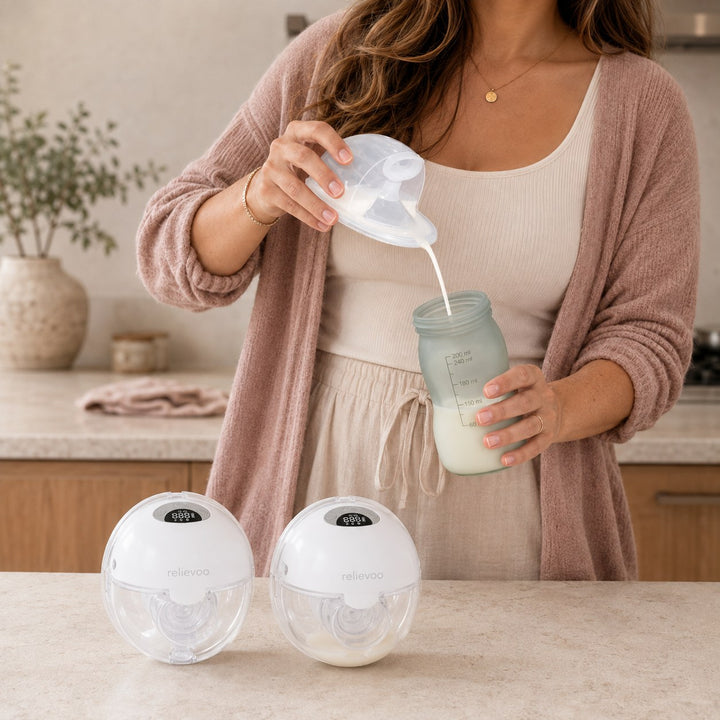
Before we dive into the breast milk storage guidelines, it's essential to choose the right breast pump for expressing milk. I recommend using a hospital-grade, hands-free wearable pump like TheRelievoo Wearable Pump, which is available for £85.90 (was £171.80) with free Royal Mail tracked delivery and a 30-day money-back guarantee. This pump is particularly useful for mums who need to express milk regularly, such as those with babies in the NICU at University College London Hospital.
Step-by-Step Guide to Breast Milk Storage
Step 1: Expressing Breast Milk
Use a clean and sterile breast pump to express milk, and make sure to wash your hands before handling the milk. The Royal College of Midwives recommends that mums wash their hands with soap and water for at least 20 seconds before handling breast milk.
Step 2: Storing Breast Milk in the Fridge
Store expressed breast milk in airtight containers or bags in the fridge at a temperature of 4°C or below. Label the containers with the date and time of expression, as recommended by the UNICEF UK Baby Friendly Initiative. The fridge should be set at a consistent temperature, and the milk should be stored in the coldest part of the fridge, usually the bottom shelf.
Step 3: Storing Breast Milk in the Freezer
Store expressed breast milk in airtight containers or bags in the freezer at a temperature of -18°C or below. Label the containers with the date and time of expression. The NHS recommends that mums store breast milk in the freezer for up to 6 months, but it's essential to check the milk regularly for any signs of spoilage, such as an off smell or slimy texture.
Step 4: Thawing Frozen Breast Milk
Thaw frozen breast milk overnight in the fridge or by running the container under cold water. Never thaw breast milk at room temperature or in hot water, as this can cause bacterial growth and contamination. The La Leche League GB recommends that mums thaw frozen breast milk in the fridge overnight, as this helps to preserve the quality of the milk.

Common Mistakes to Avoid
According to the NCT, common mistakes to avoid when storing breast milk include not labeling the containers, not storing milk at the correct temperature, and not handling milk safely. It's essential to follow the correct storage and handling procedures to prevent contamination and spoilage, and to ensure that the milk remains safe for consumption.
Breast Milk Storage Guide NHS
The NHS provides a comprehensive guide to breast milk storage, which includes tips on expressing, storing, and handling breast milk. You can find the guide on the NHS website, which is a trusted source of information for mums in the UK.
Breast Milk Storage Guidelines UK
In the UK, the NICE guidelines recommend that breast milk be stored in airtight containers or bags and labeled with the date and time of expression. The NICE guideline CG62 on postnatal care provides more information on breast milk storage and handling.
How to Store Breast Milk NHS
The NHS recommends storing breast milk in the fridge or freezer, depending on how soon you plan to use it. You can find more information on the NHS website, which provides a wealth of information on breastfeeding and breast milk storage.
Breast Milk Storage and Use Guidelines
According to the Tommy's website, breast milk storage and use guidelines include tips on expressing, storing, and handling breast milk, as well as information on how to use frozen breast milk. The Tommy's guide to breast milk storage is a useful resource for mums who are expressing and storing breast milk.
Storage of Breast Milk Guidelines
The La Leche League GB website provides a comprehensive guide to breast milk storage, including tips on expressing, storing, and handling breast milk. The La Leche League GB guide to breast milk storage is a trusted source of information for mums in the UK.
Conclusion and Recommendations
In conclusion, following proper breast milk storage guidelines is essential to ensure the safety and quality of expressed breast milk. I recommend using a hospital-grade, hands-free wearable pump like TheRelievoo Wearable Pump and following the NHS guidelines for storing and handling breast milk. For more information on breastfeeding and breast milk storage, you can visit the TheRelievoo blog or check out our guide on insurance-covered breast pumps.

Frequently Asked Questions
-
Q: How long can I store breast milk in the fridge?
A: According to the NHS, breast milk can be stored in the fridge for up to 5 days, as stated in the NHS guidelines.
-
Q: Can I store breast milk in the freezer for longer than 6 months?
A: No, the NHS recommends storing breast milk in the freezer for up to 6 months, as stated in the NHS guidelines.
-
Q: How do I thaw frozen breast milk?
A: You can thaw frozen breast milk overnight in the fridge or by running the container under cold water, as recommended by the La Leche League GB.
-
Q: What is the best way to store breast milk?
A: The best way to store breast milk is in airtight containers or bags, labeled with the date and time of expression, and stored in the fridge or freezer, as recommended by the NICE guidelines.
-
Q: Can I use a breast pump to express milk if I have a low milk supply?
A: Yes, a breast pump can help increase milk supply, and I recommend using a hospital-grade, hands-free wearable pump like TheRelievoo Wearable Pump, which is available for £85.90 (was £171.80) with free Royal Mail tracked delivery and a 30-day money-back guarantee.
-
Q: What are the benefits of using a wearable breast pump?
A: The benefits of using a wearable breast pump include increased convenience, comfort, and flexibility, as well as the ability to express milk discreetly and easily, which is particularly useful for mums who need to express milk regularly, such as those with babies in the NICU at University College London Hospital.
Written by Olivia Bennett, IBCLC
International Board Certified Lactation Consultant (London, UK)
Olivia is an IBCLC and mum of two based in London. Since 2018 she has supported 500+ British families with breastfeeding, expressing and the back-to-work transition, and writes all TheRelievoo UK guides in-house with the product team. She has been quoted in Mother and Baby and Cosmopolitan UK.
Clinically reviewed by Dr Hannah Whitfield, MBBS MRCGP (London)