Introduction to Breast Pump Cleaning
As a lactation consultant based in London, I've seen many mums struggle with cleaning and maintaining their breast pumps. In my clinic, I always recommend following the NHS guidelines for breast pump cleaning, which can be found on their website, specifically the NICE guidelines (CG30 and CG93) that outline the importance of proper cleaning and sterilization. Proper cleaning and sterilization are crucial to prevent the growth of bacteria and ensure the health and safety of your baby. According to the NHS, breast milk can be a breeding ground for bacteria, which can lead to infections and other complications if not handled properly.

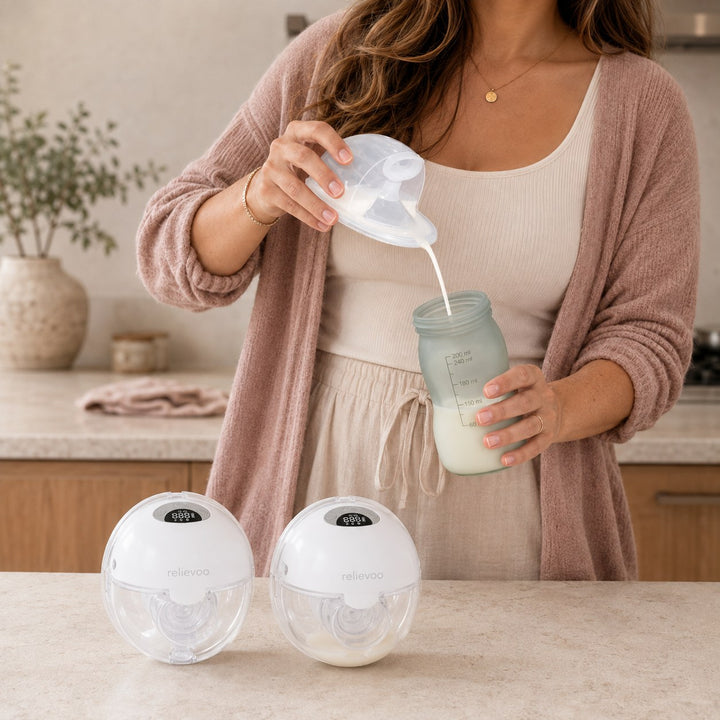
I recommend using a high-quality breast pump like TheRelievoo Wearable Pump, which is available for £85.90, a significant discount from its original price of £171.80. This pump is designed with hygiene in mind, making it easy to clean and maintain.
Step-by-Step Guide to Cleaning a Breast Pump
Best Way to Clean Breast Pump Parts
To clean your breast pump parts, follow these steps:
- Rinse all parts with cold water to remove any milk residue, paying particular attention to the breast shields and valves where milk can accumulate
- Wash all parts with mild soap and warm water, using a soft-bristled brush to gently scrub away any stubborn milk residue
- Rinse all parts thoroughly with cold water to remove any soap residue
- Dry all parts with a clean towel, paying extra attention to the tubing and other small parts where moisture can collect
Best Way to Clean Breast Pump on the Go
When you're out and about, it can be challenging to clean your breast pump. However, it's essential to clean and sterilize your pump regularly to prevent bacterial growth. You can use a portable sterilizer or a microwave-safe bag to sterilize your pump parts on the go. I recall a mum who came to my clinic,
she had been using a breast pump while commuting to work, but wasn't properly cleaning it, and ended up with a nasty case of thrush. She had to stop expressing milk for a week, which was devastating for her. With proper cleaning and sterilization, this could have been avoided, and she could have continued to express milk for her baby.
Common Mistakes to Avoid
Easiest Way to Clean Breast Pump Parts
One of the most common mistakes mums make when cleaning their breast pumps is not rinsing all parts thoroughly. This can lead to the growth of bacteria and mold. Make sure to rinse all parts with cold water and dry them with a clean towel. It's also essential to avoid using harsh chemicals or abrasive materials that can damage the pump parts.
How to Clean a Breast Pump Tube
Cleaning the breast pump tube can be tricky, but it's essential to prevent bacterial growth. Use a soft brush to clean the tube and rinse it with cold water. You can also soak the tube in a mixture of equal parts water and white vinegar for 10-15 minutes to help loosen any stubborn milk residue.

Best Way to Sterilize Breast Pump Parts
How to Sterilize Breast Pump Without Sterilizer
If you don't have a sterilizer, you can use a microwave-safe bag to sterilize your breast pump parts. Simply place the parts in the bag, add a small amount of water, and microwave for 3-4 minutes. Be sure to follow the manufacturer's instructions for the specific microwave-safe bag you're using. According to the NHS, microwaving is a safe and effective way to sterilize breast pump parts, as long as you follow the proper guidelines.
Best Way to Clean Breast Pump at Work
Cleaning and sterilizing your breast pump at work can be challenging, but it's essential to maintain a clean and hygienic environment. Use a portable sterilizer or a microwave-safe bag to sterilize your pump parts, and make sure to rinse and dry all parts thoroughly. You can also consider storing your breast pump parts in a sealed container or bag to prevent contamination.
Conclusion
Proper cleaning and sterilization of your breast pump are crucial to prevent bacterial growth and ensure the health and safety of your baby. By following the steps outlined in this guide, you can keep your breast pump clean and hygienic. For more information on breast pump cleaning and maintenance, visit the NCT website or the Tommy's website. If you're looking for a high-quality breast pump, consider TheRelievoo Wearable Pump, which is available for £85.90.
For more guides and reviews, check out our article on Best Bottle Warmer for Breastmilk UK or our comparison of Medela Stockists NZ.

Frequently Asked Questions
Here are some frequently asked questions about breast pump cleaning:
-
Q: What is the best way to clean a breast pump?
A: The best way to clean a breast pump is to rinse all parts with cold water, wash with mild soap and warm water, and dry with a clean towel. -
Q: How often do I need to clean my breast pump?
A: You should clean your breast pump after every use and sterilize it at least once a day, as recommended by the NHS and NICE guidelines. -
Q: Can I use a dishwasher to clean my breast pump parts?
A: No, it's not recommended to use a dishwasher to clean your breast pump parts, as the high heat and harsh detergents can damage the parts. -
Q: How do I sterilize my breast pump without a sterilizer?
A: You can use a microwave-safe bag to sterilize your breast pump parts. Simply place the parts in the bag, add a small amount of water, and microwave for 3-4 minutes. -
Q: What breast pump parts need to be washed?
A: All breast pump parts that come into contact with milk should be washed, including the breast shields, valves, and tubing. -
Q: Should I sterilize my breast pump before use?
A: Yes, it's recommended to sterilize your breast pump before use to prevent bacterial growth and ensure the health and safety of your baby, as advised by the NHS and NICE guidelines.
Written by Olivia Bennett, IBCLC
International Board Certified Lactation Consultant (London, UK)
Olivia is an IBCLC and mum of two based in London. Since 2018 she has supported 500+ British families with breastfeeding, expressing and the back-to-work transition, and writes all TheRelievoo UK guides in-house with the product team. She has been quoted in Mother and Baby and Cosmopolitan UK.
Clinically reviewed by Dr Hannah Whitfield, MBBS MRCGP (London)