Introduction to Storing Breast Milk
As a new mum in the UK, understanding how to store breast milk safely is crucial to ensure your baby receives the best nutrition possible. In my London clinic, I've seen many mums struggle with storing breast milk, which is why I've put together this step-by-step guide, following NHS guidelines, specifically the NHS's Start4Life programme, which recommends exclusive breastfeeding for the first six months. According to NICE guideline CG30, breast milk can provide optimal nutrition for babies.

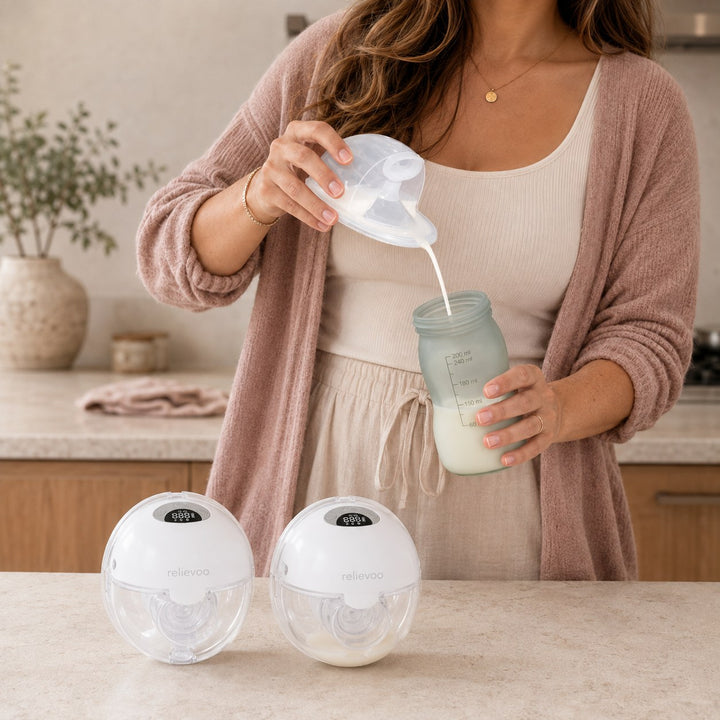
Before we dive into the guide, I want to mention that expressing breast milk can be made easier with the right equipment, such as TheRelievoo Wearable Pump, which is available for £85.90, was £171.80, with free Royal Mail tracked delivery and a 30-day money-back guarantee. This can be especially helpful for mums who plan to return to work, like many of my clients in London who commute to offices in the City.
Step-by-Step Guide to Storing Breast Milk
Step 1: Expressing Breast Milk
Before storing breast milk, you need to express it. You can do this by hand or using a breast pump. If you're using a breast pump, make sure to follow the manufacturer's instructions. I recommend washing your hands with soap and warm water before starting, and expressing in a comfortable, quiet space, like a nursery or bedroom.
Step 2: Storing Breast Milk in the Fridge
Once you've expressed your breast milk, you can store it in the fridge for up to 5 days, according to NHS guidelines. Make sure to label the container with the date and time you expressed the milk, using a marker that won't smudge, and store it in the back of the fridge, where it's coldest. The temperature should be around 4°C, which is the ideal temperature for storing breast milk.
Step 3: Freezing Breast Milk
If you won't be using your breast milk within 5 days, you can freeze it. Frozen breast milk can be stored for up to 6 months in a freezer at -18°C or below. Again, make sure to label the container with the date and time you expressed the milk, and consider using freezer bags or containers specifically designed for breast milk storage.
Common Mistakes to Avoid When Storing Breast Milk
There are several common mistakes to avoid when storing breast milk, including not labeling the container, not storing it at the correct temperature, and not using a clean container. I recall a client who stored her breast milk in a container that wasn't properly sealed, resulting in a leaky mess in her fridge.
I remember one mum who had been storing her breast milk in a container that wasn't properly sealed, and when she went to retrieve it from the fridge, she found that it had leaked all over the shelf. She was devastated, as she had been relying on that milk for her baby's next feeding. I advised her to always double-check the seal on her containers and to store them in a safe place, like the back of the fridge.
Avoiding Contamination
It's essential to avoid contaminating your breast milk to prevent the growth of bacteria. Always wash your hands before expressing and storing your breast milk, and make sure to use a clean container. You can also consider using a breast milk storage bag or container with a built-in sterilization system, like the ones available at most baby stores in London.

NHS Guidelines for Storing Breast Milk
The NHS provides guidelines for storing breast milk, including how to store it in the fridge and freezer, and how to thaw frozen breast milk. You can also find guidance on NCT and Tommy's websites, which offer valuable resources for new mums in the UK.
Storing Breast Milk at Room Temperature
According to NHS guidelines, breast milk can be stored at room temperature for up to 6 hours. However, it's recommended to store it in the fridge or freezer as soon as possible to prevent the growth of bacteria. If you're on-the-go, consider using a cooler bag with ice packs to keep your breast milk cool.
Thawing and Using Frozen Breast Milk
When you're ready to use your frozen breast milk, you'll need to thaw it. You can do this by leaving it in the fridge overnight or by running it under cold water. Once thawed, use the breast milk within 24 hours. I recommend thawing it in the fridge overnight, as this helps preserve the milk's nutritional properties and prevents bacterial growth.
Mixing Breast Milk from Different Days
According to NHS guidelines, you can mix breast milk from different days, as long as it's been stored safely. However, it's recommended to use the oldest breast milk first to ensure it doesn't go to waste. You can also consider labeling your containers with the date and time you expressed the milk, so you can easily keep track of which ones to use first.
Conclusion and Next Steps
Storing breast milk safely is essential to ensure your baby receives the best nutrition possible. By following these steps and NHS guidelines, you can store your breast milk with confidence. If you're looking for a reliable and efficient way to express breast milk, consider TheRelievoo Wearable Pump, available for £85.90, was £171.80, with free Royal Mail tracked delivery and a 30-day money-back guarantee.
For more information on breastfeeding and expressing breast milk, you can visit the NCT website or read our article on Medela Canadian Tire vs TheRelievoo: A Comprehensive Comparison. You can also contact your local NHS trust or a lactation consultant, like myself, for personalized advice and support.

Frequently Asked Questions
-
Q: How long can I store breast milk in the fridge?
A: According to NHS guidelines, you can store breast milk in the fridge for up to 5 days. -
Q: Can I mix breast milk from different days?
A: Yes, according to NHS guidelines, you can mix breast milk from different days, as long as it's been stored safely. -
Q: How long can I store frozen breast milk?
A: According to NHS guidelines, frozen breast milk can be stored for up to 6 months in a freezer at -18°C or below. -
Q: How do I thaw frozen breast milk?
A: You can thaw frozen breast milk by leaving it in the fridge overnight or by running it under cold water. -
Q: Can I store breast milk at room temperature?
A: According to NHS guidelines, breast milk can be stored at room temperature for up to 6 hours, but it's recommended to store it in the fridge or freezer as soon as possible. -
Q: Why does breast milk need to be refrigerated?
A: Breast milk needs to be refrigerated to prevent the growth of bacteria and to keep it safe for your baby to drink.
Written by Olivia Bennett, IBCLC
International Board Certified Lactation Consultant (London, UK)
Olivia is an IBCLC and mum of two based in London. Since 2018 she has supported 500+ British families with breastfeeding, expressing and the back-to-work transition, and writes all TheRelievoo UK guides in-house with the product team. She has been quoted in Mother and Baby and Cosmopolitan UK.
Clinically reviewed by Dr Hannah Whitfield, MBBS MRCGP (London)