Introduction to Breast Milk Storage
As a lactation consultant in Austin, I've worked with numerous moms who have questions about breast milk storage. The CDC provides guidelines for safe handling and storage of breast milk, which are crucial for maintaining the safety and quality of the milk. In fact, the CDC recommends that breast milk be stored in a clean, airtight container and refrigerated or frozen as soon as possible, within 3-4 hours of expression, to prevent bacterial growth. In this article, we will walk through the steps for storing breast milk safely and discuss common mistakes to avoid.

Understanding CDC Guidelines for Breast Milk Storage
The CDC recommends that breast milk be stored in a clean, airtight container and refrigerated or frozen as soon as possible. It is essential to follow these guidelines to ensure the safety and quality of the breast milk. According to the CDC, breast milk can be stored in the refrigerator for up to 3-5 days at a temperature of 39°F (4°C) or below, and frozen for up to 6-12 months at 0°F (-18°C) or below.
CDC Milk Storage Guidelines
The CDC provides specific guidelines for storing breast milk, including the use of airtight containers and labels. It is crucial to follow these guidelines to avoid contamination and ensure the safety of the breast milk. For example, the CDC recommends using containers made of BPA-free materials, such as glass or hard plastic, and labeling them with the date and time the milk was expressed.
Step-by-Step Guide to Storing Breast Milk
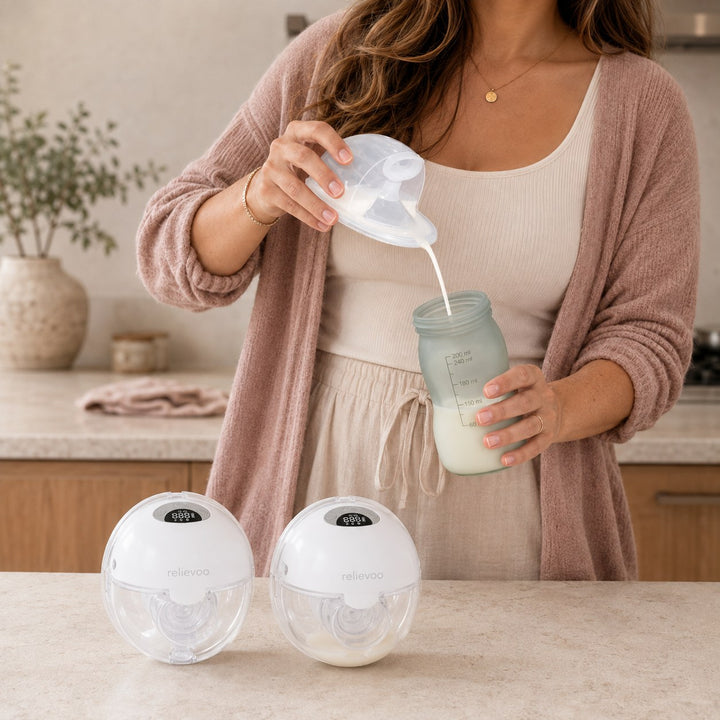
- Express breast milk using a clean and lab-tested breast pump, such as TheRelievoo Wearable Pump, which is available for $169.90, a significant discount from its original price of $339.80. Make sure to wash your hands before expressing milk and to use a clean pump.
- Store breast milk in a clean, airtight container, such as a glass or plastic bottle with a tight-fitting lid. The container should be made of BPA-free materials and have a capacity of 3-5 ounces (90-150 ml) to prevent overfilling.
- Label the container with the date and time the breast milk was expressed, as well as the number of ounces (or milliliters) and any relevant notes, such as the baby's name or the milk's intended use.
- Refrigerate or freeze the breast milk as soon as possible, within 3-4 hours of expression. If refrigerating, store the milk at a temperature of 39°F (4°C) or below, and if freezing, store it at 0°F (-18°C) or below.
CDC How to Store Breast Milk
The CDC recommends storing breast milk in the refrigerator for up to 3-5 days or freezing it for up to 6-12 months. It is essential to follow these guidelines to ensure the safety and quality of the breast milk. For example, if you're storing milk in the refrigerator, make sure to check it daily for signs of spoilage, such as an off smell or slimy texture, and to use the oldest milk first.
CDC Breast Milk Guidelines
The CDC provides guidelines for the safe handling and storage of breast milk, including the use of airtight containers and labels. It is crucial to follow these guidelines to avoid contamination and ensure the safety of the breast milk. As an IBCLC, I've seen firsthand the importance of proper storage and handling, as
one of my clients, a busy mom of twins, once stored her breast milk in a container that wasn't airtight, and as a result, the milk spoiled and had to be discarded. She was devastated, but thankfully, we were able to work together to establish a safe and effective storage system, and she was able to continue providing her babies with the nourishment they needed.

Common Mistakes to Avoid
One common mistake moms make when storing breast milk is not labeling the containers correctly. This can lead to confusion and potentially contaminated breast milk. Another mistake is not storing the breast milk in a clean and airtight container. To avoid these mistakes, make sure to follow the CDC guidelines and to use your senses - if the milk looks, smells, or tastes off, it's best to err on the side of caution and discard it.
Avoiding Contamination
To avoid contamination, it is essential to wash your hands before expressing breast milk and to use a clean and lab-tested breast pump. Additionally, make sure to store the breast milk in a clean and airtight container, and to label it correctly. By following these steps, you can help ensure the safety and quality of your breast milk, and provide your baby with the best possible nutrition.
Conclusion
In conclusion, following the CDC breast milk storage guidelines 2026 is crucial for the safe handling and storage of breast milk. By following the step-by-step guide outlined in this article, moms can ensure the safety and quality of their breast milk. Remember to always prioritize proper storage and handling, and to use your senses to check for signs of spoilage. For more information on breast pumps, check out our article on Finding the Best Alternative to Elvie Pump: A Comprehensive Guide.

Frequently Asked Questions
-
Q: How long can I store breast milk in the refrigerator?
A: According to the CDC, breast milk can be stored in the refrigerator for up to 3-5 days at a temperature of 39°F (4°C) or below.
-
Q: Can I freeze breast milk?
A: Yes, breast milk can be frozen for up to 6-12 months at 0°F (-18°C) or below.
-
Q: What is the best way to store breast milk?
A: The best way to store breast milk is in a clean, airtight container, such as a glass or plastic bottle with a tight-fitting lid, and to label it correctly with the date, time, and number of ounces (or milliliters).
-
Q: How do I avoid contamination when storing breast milk?
A: To avoid contamination, wash your hands before expressing breast milk, use a clean and lab-tested breast pump, and store the breast milk in a clean and airtight container. Additionally, make sure to label the container correctly and to check the milk daily for signs of spoilage.
-
Q: Can I use any breast pump to express breast milk?
A: No, it is recommended to use a lab-tested breast pump, such as TheRelievoo Wearable Pump, to ensure the safety and quality of the breast milk.
-
Q: Where can I find more information on breast milk storage?
A: For more information on breast milk storage, visit the CDC website or consult with a lactation consultant, such as myself, who can provide personalized guidance and support.
Get TheRelievoo Wearable Pump, a hospital-grade hands-free wearable pump, for $169.90, with free USPS tracked delivery across the US, 30-day money-back, and lifetime warranty. Rated 4.8★ by American moms, this pump is a great option for busy moms who want to express milk safely and efficiently. With its quiet and discreet design, you can express milk anywhere, anytime, and store it safely for later use.
Written by Jessica Nolan, IBCLC
International Board Certified Lactation Consultant (Austin, Texas)
Jessica is an IBCLC and mom of two based in Austin, Texas. Since 2018 she has supported 500+ American families with breastfeeding, pumping and the return-to-work transition, and writes all TheRelievoo USA guides in-house with the product team. She is a member of the United States Lactation Consultant Association (USLCA) and works alongside local La Leche League USA groups.
Clinically reviewed by Dr. Rachel Adams, MD, FAAP (Austin, Texas)