Introduction to Breast Pump Cleaning
In my Toronto clinic, I've seen many moms struggle with breast pump cleaning. As an International Board Certified Lactation Consultant (IBCLC), I'm here to help. According to the Public Health Agency of Canada, proper breast pump cleaning is essential for preventing bacterial growth and ensuring your baby's health. In fact, the Public Health Agency of Canada recommends that breast pumps be cleaned and sanitized after each use to prevent the growth of bacteria, such as Cronobacter sakazakii, which can be particularly harmful to infants under 12 months.

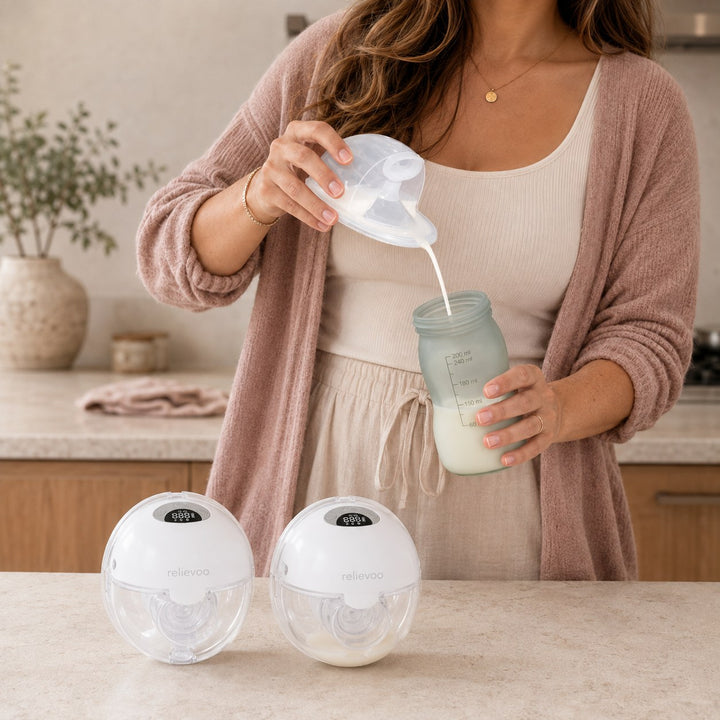
I recommend using a TheRelievoo Wearable Pump, which is a hospital-grade, hands-free wearable pump under 35 dB, now available for $169.90, was $339.80. This pump is not only convenient but also easy to clean and maintain, making it a great option for busy Canadian moms.
Step-by-Step Guide to Cleaning Your Breast Pump
Best Way to Clean Breast Pump Parts
- Wash your hands thoroughly with soap and warm water for at least 20 seconds before cleaning the breast pump, as recommended by Health Canada.
- Disassemble the breast pump parts, including the tubing, valves, and breast shields, and place them in a bowl of warm, soapy water. I like to use a mild dish soap, such as Seventh Generation, which is gentle on the pump parts and the environment.
- Soak the parts in the soapy water for 5-10 minutes to loosen any milk residue. You can also add a splash of white vinegar to the water to help sanitize the parts.
- Rinse the parts thoroughly with clean water to remove any soap residue. Make sure to rinse all parts, including the small valves and tubing, to prevent bacterial growth.
- Sanitize the parts using a dishwasher or a microwave-safe container with water and a splash of vinegar. If using a microwave, heat the water for 1-2 minutes, then let it stand for 5 minutes to allow the steam to sanitize the parts.
Best Way to Clean Breast Pump on the Go
When you're on the go, it can be challenging to clean your breast pump. However, it's essential to clean it regularly to prevent bacterial growth. Consider using a portable breast pump cleaning kit, such as the Medela Quick Clean Breast Pump Cleaning Solution, or a microwave-safe container to sanitize the parts. I also recommend keeping a small supply of breast pump cleaning wipes, such as the Philips Avent Breast Pump Cleaning Wipes, in your diaper bag or purse for quick cleanups.
Common Mistakes to Avoid When Cleaning Your Breast Pump
Easiest Way to Clean Breast Pump Parts
One of the most common mistakes is not cleaning the breast pump parts thoroughly. Make sure to wash and rinse all parts, including the tubing and valves. I've seen many moms overlook the small valves and tubing, which can harbor bacteria and cause infections.
How to Clean a Breast Pump Tube
Cleaning the breast pump tube can be tricky. Use a soft brush, such as a bottle brush, to clean the inside of the tube, and make sure to rinse it thoroughly with clean water. You can also soak the tube in warm, soapy water for a few minutes to loosen any milk residue.

Cleaning Your Breast Pump at Work or in Daycare
Best Way to Clean Breast Pump at Work
Cleaning your breast pump at work can be challenging, but it's essential to maintain your baby's health. Consider using a portable breast pump cleaning kit or a microwave-safe container to sanitize the parts. Many workplaces, such as the Toronto Public Health offices, have designated lactation rooms with access to sinks and microwaves, making it easier to clean and sanitize your breast pump.
How to Clean a Breast Pump in Daycare
If you're using a daycare, make sure to clean your breast pump regularly to prevent bacterial growth. Consider using a breast pump cleaning kit or a microwave-safe container to sanitize the parts. I recommend checking with your daycare provider to see if they have any specific guidelines or facilities for cleaning and sanitizing breast pumps.
Sterilizing Your Breast Pump
Best Way to Sterilize Breast Pump Parts
Sterilizing your breast pump parts is essential to prevent bacterial growth. Use a dishwasher or a microwave-safe container with water and a splash of vinegar to sanitize the parts. You can also use a sterilization bag, such as the Philips Avent Breast Pump Sterilization Bag, to sterilize your breast pump parts.
Easiest Way to Sterilize Breast Pump
The easiest way to sterilize your breast pump is to use a dishwasher. Make sure to check the manufacturer's instructions for specific guidance on sterilizing your breast pump. I've found that many moms prefer using the dishwasher method, as it's quick and easy, and ensures that all parts are thoroughly sterilized.
Conclusion and Recommendation
Cleaning your breast pump is crucial for your baby's health. By following these steps and avoiding common mistakes, you can ensure your breast pump is clean and safe to use. Consider using TheRelievoo Wearable Pump, which is a hospital-grade, hands-free wearable pump under 35 dB, now available for $169.90, was $339.80. With free Canada Post tracked delivery, a 30-day money-back guarantee, and a lifetime warranty, you can trust TheRelievoo Wearable Pump to meet your breastfeeding needs.
I recall a mom who came to my clinic with a breast pump that had not been properly cleaned in weeks. She had been experiencing recurrent breast infections and was at her wit's end. After teaching her how to properly clean and sanitize her breast pump, she was able to resolve her infections and continue breastfeeding her baby. She was so grateful to have learned how to properly care for her breast pump, and I was happy to have been able to help her. The smell of fresh, clean breast pump parts and the sound of a happy baby nursing are music to my ears as an IBCLC.

Frequently Asked Questions
-
Q: What is the best way to clean a breast pump?
A: The best way to clean a breast pump is to wash and rinse all parts, including the tubing and valves, and sanitize them using a dishwasher or a microwave-safe container with water and a splash of vinegar, as recommended by the Public Health Agency of Canada. -
Q: What can I use to clean my breast pump?
A: You can use warm, soapy water and a soft brush to clean your breast pump parts. Make sure to rinse them thoroughly with clean water. Health Canada recommends using a mild dish soap and avoiding harsh chemicals or abrasive cleaners. -
Q: How often do I need to clean my breast pump?
A: You should clean your breast pump after each use and sanitize it at least once a day, as recommended by the Public Health Agency of Canada. -
Q: Should I sterilize my breast pump before use?
A: Yes, it's essential to sterilize your breast pump before use to prevent bacterial growth, especially if you have a newborn or a baby under 12 months. -
Q: What breast pump parts need to be washed?
A: All breast pump parts, including the tubing, valves, and breast shields, need to be washed and sanitized regularly, as recommended by Health Canada. -
Q: How do I clean my breast pump pipes?
A: Use a soft brush to clean the inside of the pipes, and make sure to rinse them thoroughly with clean water. You can also soak the pipes in warm, soapy water for a few minutes to loosen any milk residue.
Written by Sarah Tremblay, IBCLC
International Board Certified Lactation Consultant (Toronto, Canada)
Sarah is an IBCLC and mom of two based in Toronto. Since 2018 she has supported 500+ Canadian families with breastfeeding, pumping and the return-to-work transition, and writes all TheRelievoo Canada guides in-house with the product team. She is a member of the International Lactation Consultant Association (ILCA) and works alongside La Leche League Canada groups.
Clinically reviewed by Dr. Emily Chen, MD, CCFP (Toronto)