Introduction to Pumping While Out
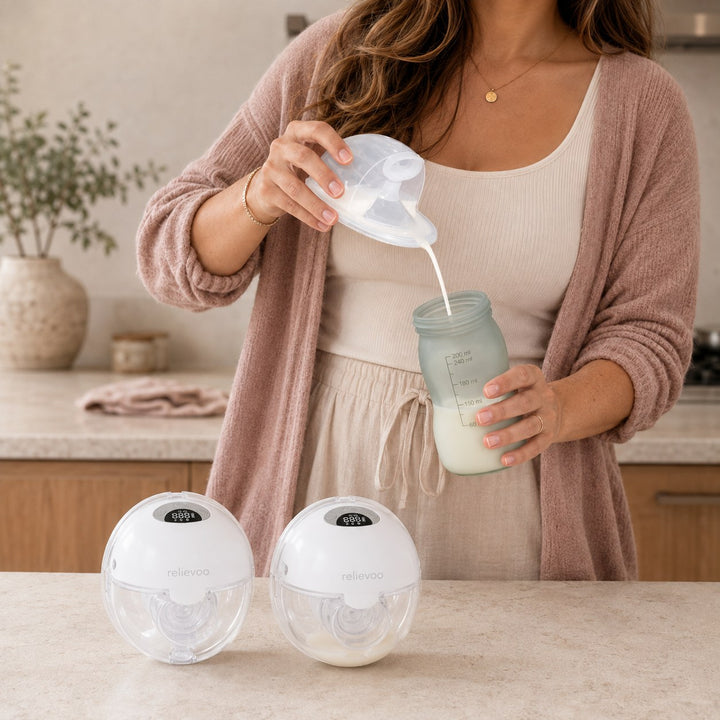
In my London clinic, I often meet mums who struggle with pumping while out and about, perhaps at a café in Covent Garden or during a commute on the Tube. As an IBCLC, I recommend using a wearable breast pump, such as the TheRelievoo Wearable Pump, which is a hospital-grade, hands-free pump that is under 35 dB and available for £85.90, was £171.80. This pump is not only discreet but also easy to use, allowing you to express milk on-the-go with ease.

Pumping While Away from Baby
According to the NHS, expressing milk while away from your baby can help maintain your milk supply and reduce the risk of engorgement, as stated in the NICE guidelines (CG30 and CG93). The NCT also provides guidance on expressing milk, including tips on how to store and transport expressed milk, which is essential for mums who are expressing milk at work or in public.
Step-by-Step Guide to Pumping While Out
- Choose a quiet and private space to pump, such as a baby-changing room or a quiet corner in a café, where you can sit comfortably and feel relaxed.
- Wear a nursing bra or a scarf to help you feel more comfortable and discreet while pumping, and consider using a breast pad to absorb any leakage.
- Use a wearable breast pump, such as the TheRelievoo Wearable Pump, which is designed for on-the-go use and is small enough to fit in your bag.
- Follow the manufacturer's instructions for assembling and using the pump, and make sure to wash your hands before handling the pump or your breasts.
- Pump for 10-15 minutes, or until you feel that your breasts are empty, and take breaks if you need to, to avoid discomfort or pain.
Normal Pumping Output While Breastfeeding
A study published in the Lancet found that the average pumping output for breastfeeding mums is around 400-600 ml per day, although this can vary depending on individual factors, such as the frequency and duration of pumping sessions, and the age of your baby.
Common Mistakes to Avoid
One common mistake that mums make when pumping while out is not storing the expressed milk properly, which can lead to spoilage or contamination. The Tommy's website provides guidance on how to store and transport expressed milk safely, and it's essential to follow these guidelines to ensure the quality and safety of your milk.
Is it OK to Pump if Nothing is Coming Out?
If you're having trouble expressing milk, it's not uncommon to feel frustrated or worried. However, it's essential to remember that it's normal for pumping output to vary from day to day, and there are many factors that can affect milk supply, such as stress, fatigue, or hormonal changes.
I recall a mum who came to my clinic, feeling anxious and worried because she was only expressing a small amount of milk. After assessing her pumping technique and providing guidance on how to improve it, she was able to increase her output significantly. She was relieved and happy, and it was a great reminder that sometimes, all it takes is a little support and guidance to overcome challenges with pumping.

Tips for Increasing Pumping Output
To increase your pumping output, try the following tips:
- Pump more frequently, such as every 2-3 hours, to stimulate milk production and empty your breasts fully.
- Use a double breast pump, such as the TheRelievoo Wearable Pump, which can help to increase milk flow and reduce pumping time.
- Stay hydrated by drinking plenty of water and eating a balanced diet, including foods that are rich in omega-3 fatty acids, such as salmon and flaxseeds.
What Causes Pumping Over?
Pumping over can be caused by a variety of factors, including over-stimulation of the breasts, incorrect pump settings, or blockages in the milk ducts. If you're experiencing pumping over, it's essential to consult with a healthcare professional or an IBCLC for guidance, as they can help you identify the cause and provide personalized advice on how to manage it.
Conclusion and Next Steps
Pumping while out can be challenging, but with the right tips and tricks, you can express milk on-the-go with ease. Remember to choose a wearable breast pump, such as the TheRelievoo Wearable Pump, and follow the manufacturer's instructions for use. For more information on breastfeeding and expressing milk, visit the TheRelievoo blog or consult with a healthcare professional or an IBCLC.
Consider reading our article on Medela Ireland vs TheRelievoo for a comprehensive comparison of breast pumps, and don't hesitate to reach out if you have any questions or concerns about pumping or breastfeeding.

Frequently Asked Questions
-
Q: How to pump while out?
A: Choose a quiet and private space, wear a nursing bra or scarf, and use a wearable breast pump, such as the TheRelievoo Wearable Pump. -
Q: How to increase pumping output while breastfeeding?
A: Pump more frequently, use a double breast pump, and stay hydrated by drinking plenty of water and eating a balanced diet. -
Q: What causes pumping over?
A: Pumping over can be caused by over-stimulation of the breasts, incorrect pump settings, or blockages in the milk ducts. -
Q: How to get the most out of pumping breast milk?
A: Use a wearable breast pump, pump more frequently, and stay hydrated by drinking plenty of water and eating a balanced diet. -
Q: How long after pumping can you go into labour?
A: There is no direct correlation between pumping and going into labour. However, it's essential to consult with a healthcare professional or an IBCLC for guidance on expressing milk during pregnancy, as they can provide personalized advice and support. -
Q: How long pumping to increase supply?
A: Pumping frequency and duration can vary depending on individual factors, such as the frequency and duration of pumping sessions. It's essential to consult with a healthcare professional or an IBCLC for personalized guidance, as they can help you develop a pumping plan that meets your needs and goals.
Written by Olivia Bennett, IBCLC
International Board Certified Lactation Consultant (London, UK)
Olivia is an IBCLC and mum of two based in London. Since 2018 she has supported 500+ British families with breastfeeding, expressing and the back-to-work transition, and writes all TheRelievoo UK guides in-house with the product team. She has been quoted in Mother and Baby and Cosmopolitan UK.
Clinically reviewed by Dr Hannah Whitfield, MBBS MRCGP (London)