Introduction to Breast Milk Storage
As a lactation consultant in Austin, Texas, I've worked with numerous breastfeeding moms who've asked about safe breast milk storage practices. The Centers for Disease Control and Prevention (CDC) provides comprehensive guidelines for handling and storing breast milk, which I'll outline in this article, including the CDC breast milk storage guidelines in Spanish. According to the CDC, approximately 84% of newborns in the US are breastfed, highlighting the importance of proper breast milk storage (CDC, 2020).

CDC Guidelines for Breast Milk Storage
The CDC recommends storing breast milk in a clean, airtight container and labeling it with the date and time it was expressed. It's crucial to store breast milk in the back of the freezer or refrigerator to maintain a consistent temperature, between 32°F and 40°F (0°C and 4°C). The American Academy of Pediatrics (AAP) also suggests that breast milk can be stored at room temperature (73°F to 79°F or 23°C to 26°C) for up to 4-6 hours (AAP, 2019).
Breast Milk Storage Guidelines in Spanish
For Spanish-speaking breastfeeding moms, the CDC provides a breast milk storage guidelines PDF in Spanish. This resource offers detailed information on safe storage practices, including guidelines for room temperature, refrigerator, and freezer storage. In my experience, having access to these guidelines in Spanish has been incredibly helpful for the Spanish-speaking families I've worked with in Austin.
Step-by-Step Guide to Breast Milk Storage
- Express breast milk into a clean, airtight container, such as a glass or hard plastic bottle with a tight-fitting lid.
- Label the container with the date and time the milk was expressed, using a marker or label that won't smudge or fade.
- Store the container in the back of the freezer or refrigerator to maintain a consistent temperature, ensuring the milk stays fresh and safe for consumption.
- Use the breast milk within the recommended timeframe: up to 6 months in the freezer, up to 5 days in the refrigerator, and up to 4-6 hours at room temperature (CDC, 2020).
CDC Milk Storage Guidelines
The CDC also provides guidelines for milk storage in daycare settings, emphasizing the importance of proper handling and storage to ensure the safety of breastfed babies in childcare. As an IBCLC, I've seen firsthand the impact of proper breast milk storage on the health and well-being of babies, and I strongly recommend that all childcare providers follow these guidelines.
CDC Breast Milk Guidelines
In addition to storage guidelines, the CDC provides recommendations for breast milk handling and preparation, including tips for thawing frozen breast milk and checking for signs of spoilage. These guidelines help prevent contamination and ensure the quality of breast milk, which is essential for the health and development of breastfed babies.
Common Mistakes to Avoid
When storing breast milk, it's essential to avoid common mistakes that can compromise the safety and quality of the milk. These mistakes include:
- Not labeling the container with the date and time the milk was expressed, making it difficult to keep track of how long the milk has been stored.
- Not storing the container in the back of the freezer or refrigerator, which can cause temperature fluctuations and affect the quality of the milk.
- Not using the breast milk within the recommended timeframe, which can lead to spoilage and potentially harm the baby.
I recall working with a new mom, Maria, who was concerned about storing her breast milk safely. She had expressed a large quantity of milk and wasn't sure how to store it properly. I walked her through the CDC guidelines and helped her set up a system for labeling and storing her milk. With the right guidance, Maria was able to confidently store her breast milk and ensure her baby received the best possible nutrition. The smell of freshly expressed breast milk, sweet and slightly nutty, is a scent that many breastfeeding moms are familiar with, and it's a reminder of the importance of proper storage to preserve the quality of this precious resource.

Wearable Breast Pumps for Easy Expression
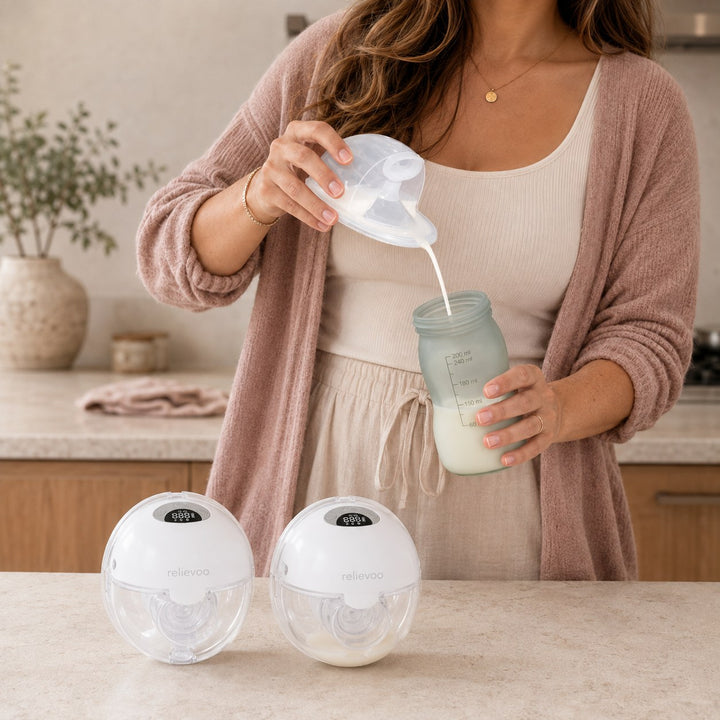
Using a wearable breast pump, such as TheRelievoo Wearable Pump, can make expressing breast milk easier and more convenient. This lab-tested, hospital-grade pump is under 35 dB and comes with free USPS tracked delivery across the US, a 30-day money-back guarantee, and a lifetime warranty, providing peace of mind for breastfeeding moms on-the-go.
CDC Milk Storage Guidelines Spanish
For breastfeeding moms who need to store breast milk in Spanish-speaking communities, the CDC provides milk storage guidelines in Spanish. These guidelines help ensure the safe handling and storage of breast milk, which is essential for the health and well-being of breastfed babies in these communities.
Conclusion and Resources
In conclusion, following CDC breast milk storage guidelines in Spanish is essential for safe handling and storage of breast milk. For more information on breastfeeding and breast milk storage, visit the CDC website or check out our resources on pumping at work laws in Texas and finding where to pump at work. By following these guidelines and using the right resources, breastfeeding moms can ensure their babies receive the best possible nutrition and thrive.

Frequently Asked Questions
- Q: What are the CDC guidelines for breast milk storage?
A: The CDC recommends storing breast milk in a clean, airtight container and labeling it with the date and time it was expressed, with storage times of up to 6 months in the freezer, up to 5 days in the refrigerator, and up to 4-6 hours at room temperature (CDC, 2020). - Q: How long can breast milk be stored in the freezer?
A: Up to 6 months, according to the CDC (2020). - Q: What is the best way to thaw frozen breast milk?
A: The best way to thaw frozen breast milk is to leave it overnight in the refrigerator or to thaw it quickly by submerging the container in cold water, as recommended by the CDC (2020). - Q: Can I use a microwave to thaw frozen breast milk?
A: No, it's not recommended to use a microwave to thaw frozen breast milk, as it can create hot spots and damage the milk, according to the CDC (2020). - Q: How do I know if my breast milk has gone bad?
A: If your breast milk has an off smell, is slimy, or has an unusual color, it may have gone bad, as stated by the CDC (2020). - Q: What is the best wearable breast pump for expressing breast milk?
A: TheRelievoo Wearable Pump is a popular and highly-rated option, now available for $169.90, and comes with free shipping and a 30-day money-back guarantee, providing a convenient and reliable solution for breastfeeding moms.
Written by Jessica Nolan, IBCLC
International Board Certified Lactation Consultant (Austin, Texas)
Jessica is an IBCLC and mom of two based in Austin, Texas. Since 2018 she has supported 500+ American families with breastfeeding, pumping and the return-to-work transition, and writes all TheRelievoo USA guides in-house with the product team. She is a member of the United States Lactation Consultant Association (USLCA) and works alongside local La Leche League USA groups.
Clinically reviewed by Dr. Rachel Adams, MD, FAAP (Austin, Texas)