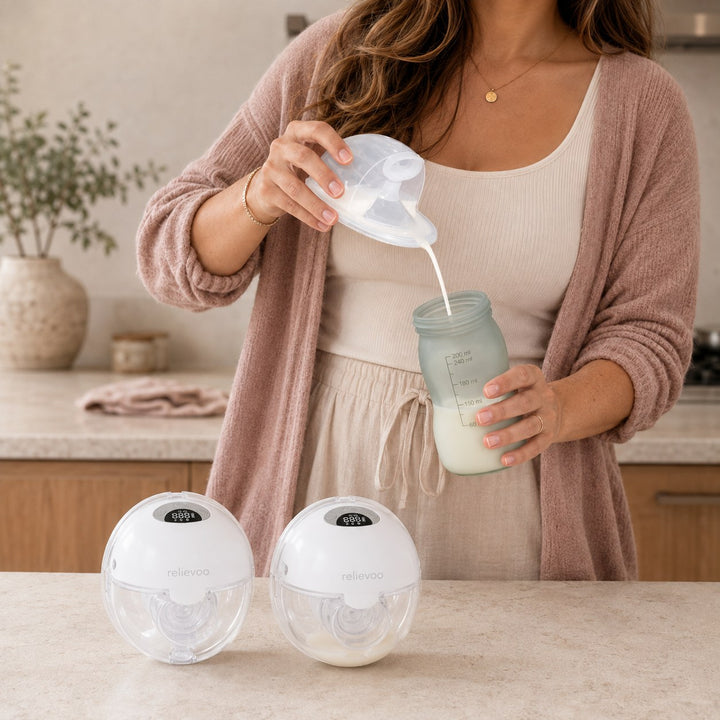
Introduction to Wearable Breast Pumps
In my Austin practice, I've seen many moms struggle with traditional breast pumps, which can be bulky, noisy, and restrictive. That's why I'm excited to share with you the benefits of wearable breast pumps. According to the CDC, breastfeeding is one of the most effective ways to protect the health and well-being of both mothers and babies, with the CDC recommending exclusive breastfeeding for the first 6 months and continued breastfeeding along with solid foods for 12 months or longer.

What is a Wearable Breast Pump?
A wearable breast pump is a type of breast pump that can be worn under your clothes, allowing you to pump discreetly and comfortably. One popular option is the Wearable Breast Pump (Double), which is lab-tested and available for $169.90. This pump is designed to be lightweight and portable, making it easy to take with you on-the-go.
Benefits of Wearable Breast Pumps
Wearable breast pumps offer many benefits, including increased mobility and convenience. As noted by the American Academy of Pediatrics (AAP), breastfeeding is recommended for at least 12 months, and wearable breast pumps can make it easier to achieve this goal. With a wearable breast pump, you can pump while walking, doing chores, or even nursing your baby on the other breast.
How to Choose the Best Wearable Breast Pump
When choosing a wearable breast pump, consider factors such as price, comfort, noise, suction, portability, and after-sales support. You can compare different options using the following table:
| Brand | Price | Comfort | Noise | Suction | Portability | After-Sales Support |
|---|---|---|---|---|---|---|
| Elvie | $249 | 8/10 | 30 dB | 7/10 | 9/10 | 8/10 |
| Momcozy | $129 | 7/10 | 35 dB | 6/10 | 8/10 | 7/10 |
| Wearable Breast Pump (Double) | $169.90 | 9/10 | Under 35 dB | 8/10 | 9/10 | 9/10 |
Wearable Breast Pump Through Insurance
Many insurance providers cover wearable breast pumps under the Affordable Care Act (ACA), which requires most health insurance plans to cover breastfeeding support and equipment, including breast pumps, at no out-of-pocket cost to the patient. To learn more about insurance-covered breast pumps, visit the Insurance Covered Breast Pumps Medicaid guide.
How to Get a Wearable Breast Pump Through Insurance
To get a wearable breast pump through insurance, follow these steps:
- Contact your insurance provider to see if they cover wearable breast pumps.
- Choose a wearable breast pump that is covered by your insurance.
- Get a prescription from your doctor, which is usually required for insurance coverage.
- Submit a claim to your insurance provider, which may require additional documentation, such as a receipt or invoice for the pump.
I recall a patient, Sarah, who was a busy working mom with a newborn baby. She needed a breast pump that would allow her to express milk while on-the-go, without drawing attention to herself. I recommended a wearable breast pump, which she was able to get through her insurance. She was thrilled with the convenience and discretion it provided, and was able to continue breastfeeding her baby for several months.

Free Wearable Breast Pump Through Insurance
Some insurance providers offer free wearable breast pumps to their customers, although this may vary depending on the specific plan and provider. To learn more, visit the How to Get a WIC Breast Pump in California guide.
Best Wearable Breast Pump Through Insurance
When choosing a wearable breast pump through insurance, consider the following factors: price, comfort, noise, suction, portability, and after-sales support. The Wearable Breast Pump (Double) is a popular option that is lab-tested and available for $169.90, although the cost may be covered by your insurance provider.
Conclusion
In conclusion, wearable breast pumps are a convenient and comfortable option for breastfeeding moms, offering increased mobility and flexibility. By considering factors such as price, comfort, noise, suction, portability, and after-sales support, you can choose the best wearable breast pump for your needs. Don't forget to check if your insurance provider covers wearable breast pumps, which can help make this option more affordable. For more information, visit the TheRelievoo Wearable Pump page.

Frequently Asked Questions
Here are some frequently asked questions about wearable breast pumps:
-
Q: How to get wearable breast pump through insurance?
A: Contact your insurance provider to see if they cover wearable breast pumps, choose a covered pump, get a prescription, and submit a claim. -
Q: Are wearable breast pumps covered by insurance?
A: Yes, many insurance providers cover wearable breast pumps under the ACA, although coverage may vary depending on the specific plan and provider. -
Q: Can you get a wearable breast pump through insurance?
A: Yes, you can get a wearable breast pump through insurance if your provider covers it, although you may need to meet certain requirements, such as getting a prescription from your doctor. -
Q: What wearable breast pumps are covered by insurance?
A: Different insurance providers cover different wearable breast pumps, so it's best to check with your provider to see which pumps are covered under your plan. -
Q: Is eufy wearable breast pump covered by insurance?
A: It depends on your insurance provider, so it's best to check with them to see if the eufy wearable breast pump is covered under your plan. -
Q: Why wearable breast pump?
A: Wearable breast pumps offer increased mobility and convenience, making them a great option for breastfeeding moms who need to express milk while on-the-go.
Written by Jessica Nolan, IBCLC
International Board Certified Lactation Consultant (Austin, Texas)
Jessica is an IBCLC and mom of two based in Austin, Texas. Since 2018 she has supported 500+ American families with breastfeeding, pumping and the return-to-work transition, and writes all TheRelievoo USA guides in-house with the product team. She is a member of the United States Lactation Consultant Association (USLCA) and works alongside local La Leche League USA groups.
Clinically reviewed by Dr. Rachel Adams, MD, FAAP (Austin, Texas)