Introduction to Pumping at Work Laws
In my Austin practice, I've seen many nursing mothers struggle to balance their work and breastfeeding responsibilities. According to the CDC, breastfeeding is essential for the health and well-being of both mothers and babies, with exclusive breastfeeding recommended for the first six months of life by the American Academy of Pediatrics (AAP). In fact, the AAP notes that breastfeeding can reduce the risk of respiratory tract infections by 72% and the risk of ear infections by 50% in the first year of life.

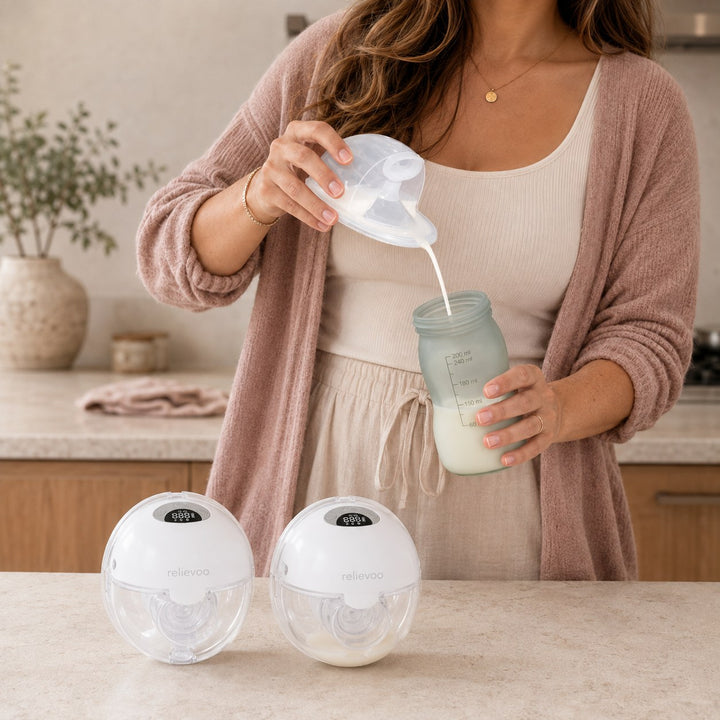
As a lactation consultant, I recommend using a reliable and efficient breast pump, such as the Wearable Breast Pump (Double), which is lab-tested and available for $169.90, a significant discount from its original price of $339.80. The sound of a baby's cry and the feeling of a warm pump against the skin can be comforting, and with the right equipment, expressing milk at work can be a breeze.
Understanding Your Rights as a Nursing Mother
Pumping at Work Laws in Texas
In Texas, nursing mothers are protected by the PUMP Act, which requires employers to provide reasonable break times and a private space for expressing milk. This means that employers with fewer than 50 employees are not exempt from providing break time, but may be exempt from providing a private space if it would cause an undue hardship.
Pumping at Work Laws in Washington State
In Washington State, employers are required to provide a private room for expressing milk, as well as reasonable break times, according to the Washington State Department of Labor & Industries. This room must be shielded from view and free from intrusion, allowing mothers to express milk in comfort and privacy.
Pumping at Work Laws in California
In California, nursing mothers are protected by the California Department of Industrial Relations, which requires employers to provide a private room and reasonable break times for expressing milk. Employers must also provide access to a sink and refrigerator for storing expressed milk.
Step-by-Step Guide to Pumping at Work
- Notify your employer of your intention to express milk at work, as required by the PUMP Act, at least 30 days before your return to work.
- Identify a private space for expressing milk, such as a lactation room or a private office, and ensure it is clean, comfortable, and well-ventilated.
- Establish a routine for expressing milk, including the frequency and duration of pumping sessions, which may be every 2-3 hours for 10-15 minutes.
- Store expressed milk in a safe and sanitary manner, such as in a refrigerator at a temperature of 39°F (4°C) or below, and label it with your name and date.

Common Mistakes to Avoid
One common mistake nursing mothers make is not notifying their employer of their intention to express milk at work. This can lead to difficulties in finding a private space and establishing a routine for pumping.
Another common mistake is not storing expressed milk properly, which can lead to spoilage and waste. According to the CDC, expressed milk can be safely stored in the refrigerator for up to 5 days.
I recall a client who was struggling to express milk at work due to a lack of private space. She would often have to pump in a crowded break room, feeling anxious and self-conscious. After notifying her employer and working together to find a solution, she was able to express milk in a private room, feeling more confident and comfortable. The sound of the pump and the feeling of relief as the milk flowed were a welcome respite from the stress of the workday.
Additional Resources and Support
For more information on pumping at work laws and regulations, visit the CDC or the American Academy of Pediatrics (AAP) websites. The CDC notes that breastfeeding can save families up to $1,500 per year on infant formula costs.
Additionally, you can find support and resources from organizations such as La Leche League USA and WIC Breastfeeding Support (USDA). These organizations offer guidance on breastfeeding, pumping, and storing expressed milk, as well as emotional support and community connection.
For a comprehensive comparison of breast pumps, including the Wearable Breast Pump (Double), visit our blog post on Momcozy M5 NZ vs TheRelievoo: A Comprehensive Comparison.

Frequently Asked Questions
Here are some frequently asked questions about pumping at work laws:
- Q: What is the PUMP Act? A: The PUMP Act is a federal law that requires employers to provide reasonable break times and a private space for expressing milk, effective April 28, 2023.
- Q: Do I need to notify my employer of my intention to express milk at work? A: Yes, you need to notify your employer of your intention to express milk at work, as required by the PUMP Act, at least 30 days before your return to work.
- Q: How often can I express milk at work? A: The frequency and duration of pumping sessions will depend on your individual needs and your employer's policies, but may be every 2-3 hours for 10-15 minutes.
- Q: Can I store expressed milk in the office refrigerator? A: Yes, you can store expressed milk in the office refrigerator, but be sure to label it with your name and date, and store it at a temperature of 39°F (4°C) or below.
- Q: What if my employer does not provide a private space for expressing milk? A: If your employer does not provide a private space for expressing milk, you can file a complaint with the US Department of Labor.
- Q: Can I use a wearable breast pump at work? A: Yes, you can use a wearable breast pump at work, such as the Wearable Breast Pump (Double), which is lab-tested and available for $169.90.
Written by Jessica Nolan, IBCLC
International Board Certified Lactation Consultant (Austin, Texas)
Jessica is an IBCLC and mom of two based in Austin, Texas. Since 2018 she has supported 500+ American families with breastfeeding, pumping and the return-to-work transition, and writes all TheRelievoo USA guides in-house with the product team. She is a member of the United States Lactation Consultant Association (USLCA) and works alongside local La Leche League USA groups.
Clinically reviewed by Dr. Rachel Adams, MD, FAAP (Austin, Texas)