Introduction to Pumping in Canada
As a lactation consultant in Toronto, I've seen many moms struggle with breast pumping, particularly in the first few weeks after giving birth. However, with the right guidance and equipment, pumping can be a breeze. According to the Public Health Agency of Canada, approximately 90% of mothers in Canada initiate breastfeeding, but many face challenges with pumping. In this article, I'll share my expertise on how to pump successfully, including tips on choosing the right breast pump and navigating pumping at work, all while adhering to Health Canada's guidelines.

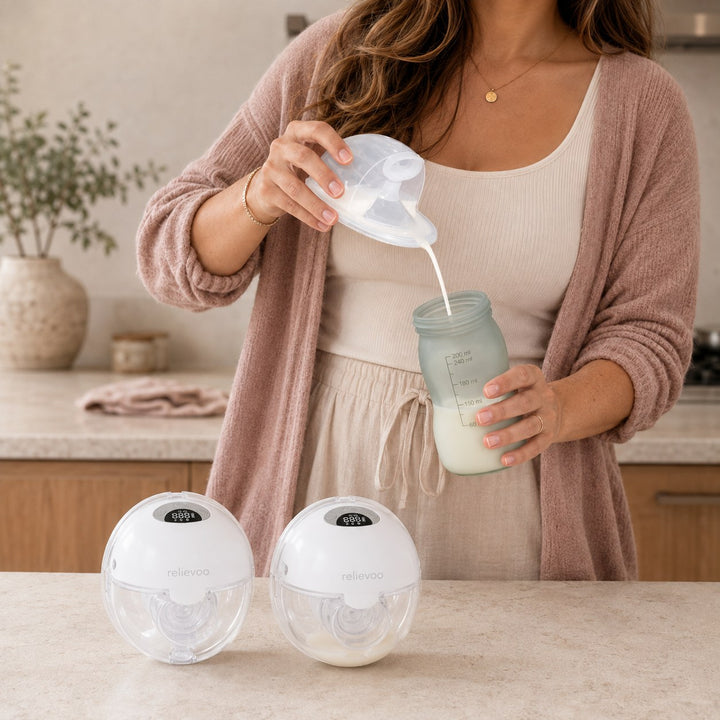
I recommend checking out the TheRelievoo Wearable Pump, a hospital-grade hands-free wearable pump that's perfect for busy Canadian moms, especially those living in urban areas like Toronto or Vancouver where convenience is key.
Step-by-Step Guide to Pumping
Step 1: Choose the Right Breast Pump
When it comes to choosing a breast pump, there are many options available. As a Canadian lactation consultant, I recommend considering a wearable breast pump like the Wearable Breast Pump (Double) ($169.90, was $339.80), which is a cost-effective option for many families. This pump is not only affordable but also convenient and easy to use, making it an excellent choice for mothers who value flexibility and discretion.
Step 2: Prepare for Pumping
Before you start pumping, make sure you have all the necessary equipment, including a breast pump, breast shields, and storage bags. It's also a good idea to have a pumping schedule to help you stay organized, aiming for the recommended 8-12 pumping sessions per day as suggested by the Public Health Agency of Canada. Don't forget to label and date your stored breast milk, following Health Canada's guidelines for safe storage.
Step 3: Pumping Technique
Proper pumping technique is essential for effective milk expression. Make sure to follow the manufacturer's instructions for your breast pump, and consider consulting with a lactation consultant if you have any questions or concerns. I recall a particularly challenging case where a new mother was having trouble expressing milk due to an improper breast shield fit.
She had been using a size that was too small, causing discomfort and reducing milk flow. After switching to a larger size, she noticed an immediate improvement in both comfort and milk output, allowing her to successfully pump and store breast milk for her baby.This experience highlights the importance of proper fit and technique in successful pumping.
Common Mistakes to Avoid
Insufficient Pumping Frequency
One of the most common mistakes moms make when pumping is not pumping frequently enough. The Public Health Agency of Canada recommends pumping at least 8-12 times per day to maintain milk supply, which is crucial for the health and development of your baby. Failing to meet this frequency can lead to a decrease in milk production and potentially affect the quality of your breast milk.
Incorrect Breast Shield Size
Using a breast shield that is too small or too large can affect milk flow and cause discomfort. Make sure to try out different sizes to find the one that works best for you, and don't hesitate to reach out to a lactation consultant for guidance. Proper fit is essential for effective and comfortable pumping, and can make a significant difference in your overall pumping experience.

Pumping at Work
Canadian Laws and Regulations
In Canada, employers are required to provide a safe and private space for breastfeeding and pumping, as outlined by the Canadian Human Rights Commission. For more information, check out the La Leche League Canada website, which offers valuable resources and support for breastfeeding mothers returning to work.
Tips for Pumping at Work
Pumping at work can be challenging, but there are several tips and tricks that can make it easier. Consider investing in a portable breast pump, and make sure to have a pumping schedule to help you stay organized. You can also check out our guide on Double Breast Pump vs Single: A Comprehensive Guide for Canadian Moms to learn more about the best breast pumps for working moms, taking into account factors like pump efficiency, noise level, and ease of use.
Additional Tips and Resources
Breast Milk Storage
Proper breast milk storage is essential for maintaining the quality and safety of your milk. Check out the Breast Milk Storage Guidelines Health Canada: A Step-by-Step Guide for more information, including guidelines on storage temperatures, durations, and container types. Always prioritize the safety and integrity of your breast milk to ensure the best for your baby.
Postpartum Support
Having a support system in place after giving birth is crucial for new moms. Consider investing in a postpartum belly wrap to help with recovery and comfort, and don't hesitate to reach out to local breastfeeding support groups or online communities for advice and encouragement. In Canada, resources like the Public Health Agency of Canada and La Leche League Canada offer valuable support and information for new mothers navigating the challenges of breastfeeding and pumping.
Conclusion
Pumping in Canada can be a challenge, but with the right equipment and support, it can also be a breeze. Remember to choose the right breast pump, prepare for pumping, and follow proper pumping technique. Don't forget to check out the TheRelievoo Wearable Pump for a convenient and affordable pumping solution, designed with the needs of Canadian mothers in mind. By following these guidelines and staying informed, you can successfully navigate the world of pumping and provide the best possible nutrition for your baby.

Frequently Asked Questions
-
Q: Are pump shotguns legal in Canada?
A: No, pump shotguns are not legal in Canada. They are considered a type of firearm and are regulated by the Canadian Firearms Act. -
Q: How do I get a free breast pump in Canada?
A: Some Canadian health insurance plans may cover the cost of a breast pump. You can also check with your employer or local breastfeeding support groups to see if they offer any free or low-cost breast pump options, such as those provided by the Ontario Breastfeeding Support Service. -
Q: What is the best breast pump for Canadian moms?
A: The best breast pump for Canadian moms will depend on their individual needs and preferences. Consider factors such as price, convenience, and features when choosing a breast pump, and look for pumps that meet Health Canada's safety standards. -
Q: Can I pump at work in Canada?
A: Yes, you can pump at work in Canada. Employers are required to provide a safe and private space for breastfeeding and pumping, as mandated by the Canadian Human Rights Commission. -
Q: How often should I pump to maintain milk supply?
A: The Public Health Agency of Canada recommends pumping at least 8-12 times per day to maintain milk supply, which is essential for the health and well-being of your baby. -
Q: What are some common mistakes to avoid when pumping?
A: Common mistakes to avoid when pumping include insufficient pumping frequency, incorrect breast shield size, and not properly storing breast milk, all of which can impact the quality and safety of your breast milk.
Written by Sarah Tremblay, IBCLC
International Board Certified Lactation Consultant (Toronto, Canada)
Sarah is an IBCLC and mom of two based in Toronto. Since 2018 she has supported 500+ Canadian families with breastfeeding, pumping and the return-to-work transition, and writes all TheRelievoo Canada guides in-house with the product team. She is a member of the International Lactation Consultant Association (ILCA) and works alongside La Leche League Canada groups.
Clinically reviewed by Dr. Emily Chen, MD, CCFP (Toronto)