Introduction to Breast Pumps
As a lactation consultant in Austin, I've worked with numerous moms, and one of the most common questions I receive is about the best type of breast pump to use. With so many options available, it can be overwhelming to decide between a wearable breast pump and a regular breast pump. In this article, we'll delve into the world of breast pumps, exploring their benefits, features, and drawbacks to help you make an informed decision.

According to the CDC, breastfeeding is one of the most effective ways to ensure a baby's health and well-being, with exclusive breastfeeding recommended for the first six months, and continued breastfeeding as complementary foods are introduced, for 1 year or longer as mutually desired by mother and infant, as stated by the American Academy of Pediatrics (AAP). In fact, the AAP recommends that babies be breastfed exclusively for the first six months, with continued breastfeeding along with solid foods for 1 year or longer.
What is a Wearable Breast Pump?
Definition and Benefits
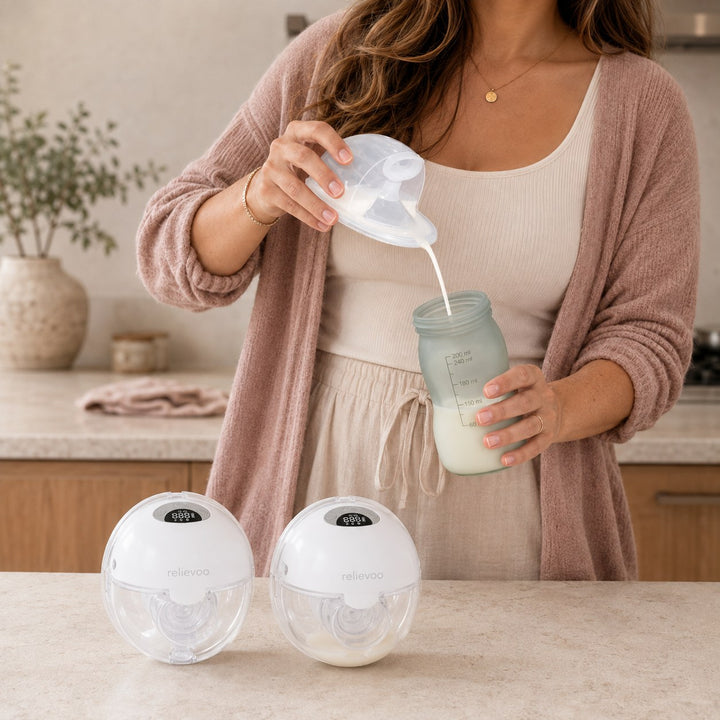
A wearable breast pump is a type of breast pump that is designed to be worn under clothing, allowing for discreet and hands-free pumping. These pumps are usually smaller, lighter, and more portable than regular breast pumps, making them ideal for busy moms on-the-go, whether you're commuting to work in Austin or running errands with your baby.
One of the benefits of wearable breast pumps is their ability to reduce pumping time by up to 40%, as they allow for simultaneous pumping, which can be more efficient than single-breast pumping. Additionally, wearable breast pumps are often quieter than regular breast pumps, making them perfect for pumping in public or at work, with some models operating at a noise level of under 35 dB.
I recommend considering the TheRelievoo Wearable Pump, a hospital-grade, hands-free wearable pump that is under 35 dB and priced at $169.90 (was $339.80), which is lab-tested to ensure safety and efficacy.
Comparison of Wearable and Regular Breast Pumps
Features and Specifications
When comparing wearable breast pumps with regular breast pumps, there are several features to consider, including price, comfort, noise level, suction power, portability, and after-sales support. For example, the TheRelievoo Wearable Pump has a suction power of up to 300 mmHg, making it suitable for moms with different breast pump needs.
| Feature | Wearable Breast Pump | Regular Breast Pump |
|---|---|---|
| Price | $169.90 - $300 | $50 - $200 |
| Comfort | 9/10 | 7/10 |
| Noise Level | Under 35 dB | 40 - 60 dB |
| Suction Power | Up to 300 mmHg | Up to 250 mmHg |
| Portability | 9/10 | 6/10 |
| After-Sales Support | 9/10 | 7/10 |
Real-Life Experience with Wearable Breast Pumps
I recall working with a mom who was struggling to balance work and breastfeeding. She was using a regular breast pump, but found it to be cumbersome and noisy. After switching to a wearable breast pump, she was able to pump discreetly and efficiently, even during meetings. She reported that the wearable breast pump was a game-changer, allowing her to continue breastfeeding her baby while maintaining her career. The feeling of freedom and confidence she gained from using a wearable breast pump was palpable, and she was able to enjoy the sensation of her baby's soft skin and gentle latch, even when she was away from her little one.

Insurance Coverage and Durable Medical Equipment (DME) Suppliers
Understanding Your Options
Many insurance providers cover the cost of breast pumps, including wearable breast pumps, under the Affordable Care Act (ACA), with some providers covering up to 100% of the cost. Additionally, some DME suppliers may also cover the cost of breast pumps, so it's essential to check with your insurance provider to see if they cover the cost of a wearable breast pump.
Some popular breast pump brands, such as Medela, Spectra, and Elvie, may be covered by insurance, so be sure to check with your provider for specific coverage details. As an IBCLC, I recommend checking with your insurance provider to determine the specific coverage details for your plan.
Trust Signals and Warranties
What to Look for in a Breast Pump
When choosing a breast pump, it's crucial to consider the trust signals and warranties offered by the manufacturer. Look for breast pumps that offer free shipping, a money-back guarantee, and a lifetime warranty, such as the TheRelievoo Wearable Pump, which offers free USPS tracked delivery across the US, a 30-day money-back guarantee, and a lifetime warranty.
TheRelievoo Wearable Pump has a 4.8-star rating from American moms, making it a trustworthy and reliable option for breastfeeding moms. As an IBCLC, I recommend considering the trust signals and warranties offered by the manufacturer when choosing a breast pump.
Conclusion and Recommendation
Choosing the Best Breast Pump for Your Needs
In conclusion, wearable breast pumps offer several benefits over regular breast pumps, including reduced pumping time, increased portability, and discretion. When choosing a breast pump, consider factors such as price, comfort, noise level, suction power, and after-sales support, as well as the trust signals and warranties offered by the manufacturer.
For more information on cleaning and maintaining your breast pump, check out our article on A Step-by-Step Guide to Cleaning a Breast Pump on the Go. Additionally, if you're looking for tips on warming a bottle on the go, read our article on The Best Way to Warm a Bottle on the Go: A Step-by-Step Guide.
Consider the TheRelievoo Wearable Pump as a reliable and efficient option for your breastfeeding needs, with its hospital-grade, hands-free design and lifetime warranty.

Frequently Asked Questions
-
Q: Are wearable breast pumps worth it?
A: Yes, wearable breast pumps offer several benefits, including reduced pumping time, increased portability, and discretion, making them a worthwhile investment for many moms, with some moms reporting a reduction in pumping time of up to 40%.
-
Q: Do wearable breast pumps work?
A: Yes, wearable breast pumps are designed to be efficient and effective, with many moms reporting successful pumping experiences, and some models operating at a suction power of up to 300 mmHg.
-
Q: What is a wearable breast pump?
A: A wearable breast pump is a type of breast pump that is designed to be worn under clothing, allowing for discreet and hands-free pumping, making it perfect for busy moms on-the-go.
-
Q: How do I choose the best breast pump for my needs?
A: Consider factors such as price, comfort, noise level, suction power, and after-sales support when choosing a breast pump, as well as the trust signals and warranties offered by the manufacturer.
-
Q: Are wearable breast pumps covered by insurance?
A: Many insurance providers cover the cost of breast pumps, including wearable breast pumps, under the Affordable Care Act (ACA), with some providers covering up to 100% of the cost.
-
Q: What is the best wearable breast pump on the market?
A: TheRelievoo Wearable Pump is a highly-rated and reliable option, offering a hospital-grade, hands-free wearable pump with a lifetime warranty and 4.8-star rating from American moms, making it a trustworthy and efficient option for breastfeeding moms.
Written by Jessica Nolan, IBCLC
International Board Certified Lactation Consultant (Austin, Texas)
Jessica is an IBCLC and mom of two based in Austin, Texas. Since 2018 she has supported 500+ American families with breastfeeding, pumping and the return-to-work transition, and writes all TheRelievoo USA guides in-house with the product team. She is a member of the United States Lactation Consultant Association (USLCA) and works alongside local La Leche League USA groups.
Clinically reviewed by Dr. Rachel Adams, MD, FAAP (Austin, Texas)