Introduction to Flange Size and Breast Pumps
In my Toronto clinic, I've seen many moms struggle with finding the right flange size for their breast pump. As an International Board Certified Lactation Consultant (IBCLC), I'm here to guide you through the process. According to the Public Health Agency of Canada, breastfeeding is an essential part of infant nutrition, with approximately 89% of Canadian mothers initiating breastfeeding, as reported in the Canadian Community Health Survey (2015-2016). The right flange size can make all the difference in your breastfeeding journey, ensuring comfortable and efficient expressing, and helping you reach the recommended six months of exclusive breastfeeding, as suggested by Health Canada.

How to Measure Flange Size for Breast Pump Medela
To determine your flange size, you'll need to measure your nipple diameter. You can do this by using a ruler or a flange sizing guide. The average flange size for breast pumps is between 21-24mm, with 21mm being the most commonly used size, according to Medela's flange size chart. However, it's essential to find the right size for your individual needs. Consider purchasing All-Size Flange Inserts (10pc) for $37.90, which includes 17/19/21/24mm sizes for the wearable pump, and is compatible with Medela's 24mm shields.
Choosing the Right Flange Size
Medela Breast Pump Flange Size Guide
Medela offers a range of flange sizes, from 18-27mm, with 1mm increments, allowing for a more precise fit. To choose the right size, consider the following: if you're using a 21mm flange and experiencing discomfort or nipple trauma, you may need to size up or down. You can refer to Medela's flange size chart to find the perfect fit. For example, if your nipple diameter is between 16-17mm, you may want to try a 21mm flange.
What Happens if Breast Pump Flange is Too Small
If your flange is too small, you may experience nipple trauma, discomfort, or decreased milk expression, which can lead to a decrease in milk supply over time. On the other hand, if your flange is too large, you may experience a decrease in suction power, making it more challenging to express milk efficiently. It's crucial to find the right balance for comfortable and efficient expressing, and to monitor your milk supply, which can be affected by various factors, including frequency of pumping, and overall health.
Common Mistakes to Avoid
How to Know What Size Flange for Breast Pump Medela
A common mistake is not measuring your nipple diameter correctly. Make sure to measure your nipple diameter at the base, not the tip, and use a flange sizing guide to ensure accuracy. You can also consult with a lactation consultant or a healthcare professional for guidance. As I always say to my clients, "a well-fitting flange is like a warm hug for your breasts - it makes all the difference in your breastfeeding journey."
I recall a client, Sarah, who was experiencing nipple trauma and discomfort while using her Medela breast pump. After re-measuring her nipple diameter, we discovered that she needed a larger flange size. Once we switched to the correct size, she noticed a significant reduction in discomfort and an increase in milk expression. She was thrilled to be able to pump comfortably and efficiently, and her baby benefited from the increased milk supply. As she said, "it was like a weight had been lifted off my shoulders - I could finally pump without pain, and enjoy the bonding experience with my baby."
What is the Smallest Breast Pump Flange Size
The smallest breast pump flange size available is usually around 13-15mm, which is suitable for mothers with smaller nipple diameters. However, it's essential to note that using a flange that's too small can cause discomfort and nipple trauma, while a flange that's too large can lead to a decrease in suction power. It's crucial to find the right balance for comfortable and efficient expressing.
Comparing Breast Pumps and Flange Sizes
Medela vs. Other Breast Pump Brands
When comparing breast pumps, it's essential to consider the flange size options. Medela offers a range of flange sizes, but other brands like Elvie, Momcozy, and Spectra may have different sizing options. You can read our comparison of Spectra Pump Canada Reddit and Cheaper Alternative to Elvie Pump to find the best fit for your needs. As a Canadian mom, you can also consider the Health Canada guidelines for breastfeeding and breast pumps, which provide valuable information on choosing the right breast pump and flange size.
Conclusion and Next Steps
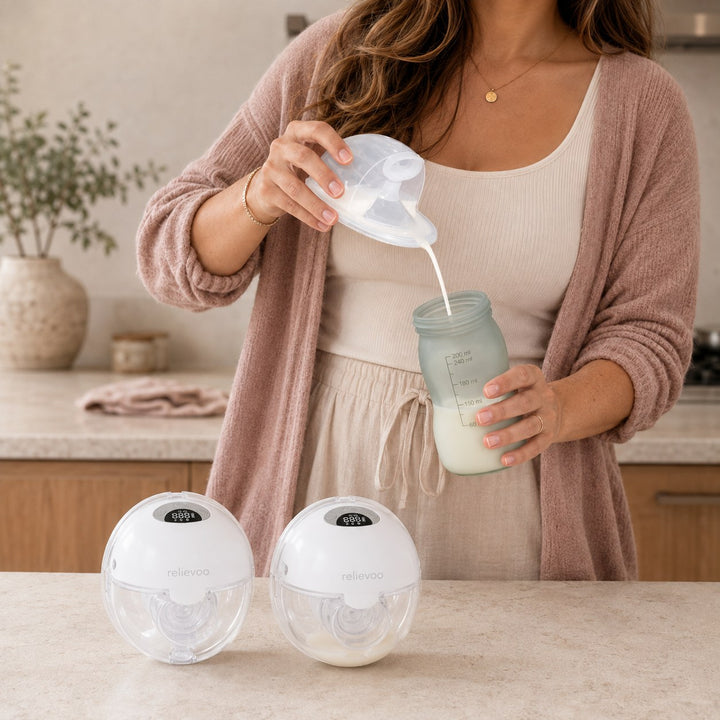
In conclusion, finding the right flange size for your Medela breast pump is crucial for comfortable and efficient expressing. Remember to measure your nipple diameter correctly and consider purchasing All-Size Flange Inserts (10pc) for the perfect fit. Shop TheRelievoo Wearable Pump today and get free Canada Post tracked delivery across Canada, a 30-day money-back guarantee, and a lifetime warranty. Rated 4.8★ by Canadian moms, our products are designed to provide comfort, efficiency, and convenience for breastfeeding mothers.
Frequently Asked Questions
-
Q: How do I know what size flange I need for my breast pump?
A: To determine your flange size, measure your nipple diameter using a ruler or a flange sizing guide. You can also consult with a lactation consultant or a healthcare professional for guidance, and refer to the Public Health Agency of Canada guidelines for breastfeeding and breast pumps.
-
Q: What happens if my breast pump flange is too small?
A: If your flange is too small, you may experience nipple trauma, discomfort, or decreased milk expression, which can lead to a decrease in milk supply over time. It's essential to find the right balance for comfortable and efficient expressing, and to monitor your milk supply, which can be affected by various factors, including frequency of pumping, and overall health.
-
Q: Can I use a different brand's flange with my Medela breast pump?
A: It's recommended to use Medela's flanges with their breast pumps for optimal performance and comfort. However, you can consider purchasing All-Size Flange Inserts (10pc) for a better fit, and consult with a lactation consultant or a healthcare professional for guidance on using compatible flanges.
-
Q: How do I choose the right flange size for my Medela breast pump?
A: Refer to Medela's flange size chart and measure your nipple diameter to find the perfect fit. You can also consult with a lactation consultant or a healthcare professional for guidance, and consider the Health Canada guidelines for breastfeeding and breast pumps.
-
Q: What is the average flange size for breast pumps?
A: The average flange size for breast pumps is between 21-24mm, with 21mm being the most commonly used size, according to Medela's flange size chart. However, it's essential to find the right size for your individual needs, and to consider the Public Health Agency of Canada guidelines for breastfeeding and breast pumps.
-
Q: Does my breast pump flange size change when nursing?
A: Your breast pump flange size may change over time due to various factors, such as nipple diameter changes during nursing. It's essential to re-measure your nipple diameter periodically to ensure the best fit, and to consult with a lactation consultant or a healthcare professional for guidance on adjusting your flange size as needed.
Written by Sarah Tremblay, IBCLC
International Board Certified Lactation Consultant (Toronto, Canada)
Sarah is an IBCLC and mom of two based in Toronto. Since 2018 she has supported 500+ Canadian families with breastfeeding, pumping and the return-to-work transition, and writes all TheRelievoo Canada guides in-house with the product team. She is a member of the International Lactation Consultant Association (ILCA) and works alongside La Leche League Canada groups.
Clinically reviewed by Dr. Emily Chen, MD, CCFP (Toronto)