Introduction to Returning to Work in NZ
As a breastfeeding mum in Auckland, returning to work can be a daunting task, especially when navigating the demands of a busy city lifestyle. However, with the right preparation and support, it is possible to balance work and breastfeeding. In this article, we will provide a step-by-step guide on how to return to work in NZ, including information on paid parental leave, pumping at work, and breastfeeding-friendly workplaces, all tailored to the unique needs of Kiwi mums.

Understanding Your Rights as a Breastfeeding Mum
Under the Employment Relations Act 2000 (Part 6BA), New Zealand employers, including those in major cities like Auckland and Wellington, must provide reasonable breaks and appropriate facilities for an employee who wishes to breastfeed or express milk at work, so far as is reasonable and practicable. This means that you have the right to express milk at work and to have a safe and private space to do so, whether you're working in a corporate office in the CBD or a small business in a suburban area.
Step-by-Step Guide to Returning to Work in NZ
- Plan ahead: Before returning to work, it's essential to plan ahead and discuss your needs with your employer. This includes arranging a suitable space for expressing milk and discussing your work schedule. You can contact Plunket on 0800 933 922 for guidance on creating a breastfeeding-friendly workplace.
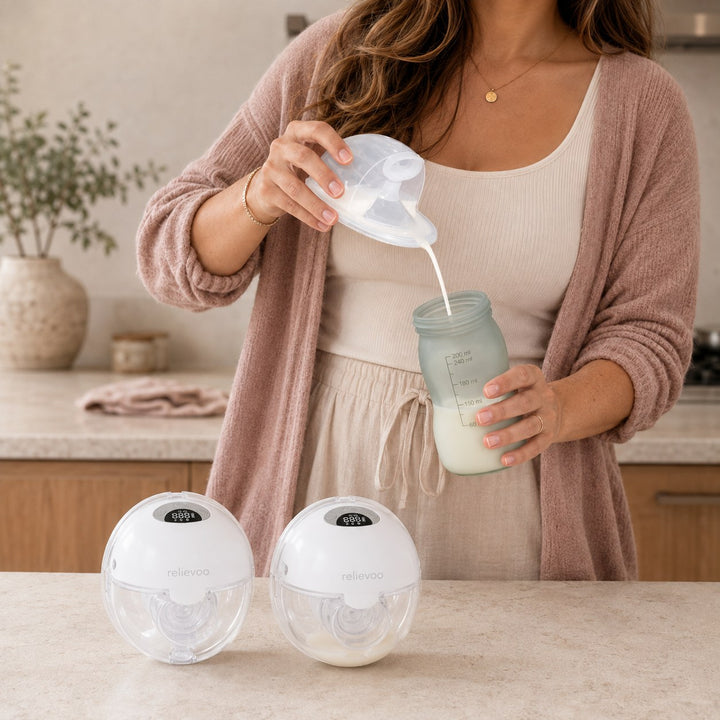
- Choose the right breast pump: A good breast pump can make all the difference when it comes to expressing milk at work. Consider investing in a Wearable Hands-Free Breast Pump PRO2 (Double), which is hospital-grade and under 35 dB, making it perfect for discreet expressing in a busy office environment.
- Practice expressing milk: Before returning to work, practice expressing milk to get used to the feeling and to build up your supply. You can store your expressed milk in the fridge or freezer, and consider using a cooler bag with ice packs to transport it to and from work.
- Store your milk safely: When expressing milk at work, it's essential to store it safely in a fridge or cooler bag to prevent spoilage. Make sure to label and date your milk, and consider using a milk storage bag or container to keep it fresh.
Common Mistakes to Avoid When Returning to Work
One common mistake that breastfeeding mums make when returning to work is not planning ahead. This can lead to stress and anxiety, which can affect milk supply. Another mistake is not choosing the right breast pump, which can make expressing milk at work difficult and uncomfortable. As a lactation consultant, I've seen many mums struggle with these issues, but with the right support and guidance, it's possible to overcome them.
I recall working with a mum who was returning to work at a busy hospital in Auckland. She was worried about expressing milk in the staff room, but with some guidance and support, we were able to find a private space for her to express, and she was able to successfully balance work and breastfeeding. She even reported that her milk supply increased after she started expressing at work, and she was able to continue breastfeeding her baby for several months.
Breastfeeding-Friendly Workplaces
A breastfeeding-friendly workplace is one that supports and accommodates breastfeeding mums. This includes providing a safe and private space for expressing milk, as well as flexible work arrangements to allow for breastfeeding breaks. For more information on breastfeeding-friendly workplaces, visit the Plunket website, or contact Health New Zealand – Te Whatu Ora on 0800 611 116 for guidance on creating a supportive work environment.
Return to Work Plan NZ
A return to work plan is essential for breastfeeding mums who are returning to work. This plan should include details on expressing milk at work, storing milk safely, and communicating with your employer. For more information on return to work plans, visit the Health New Zealand – Te Whatu Ora website, or contact your local Plunket office for support and guidance.

Paid Parental Leave NZ
New Zealand offers up to 26 weeks of government-funded paid parental leave. This leave can be taken by either parent and can be used to care for a new baby. For more information on paid parental leave, visit the Inland Revenue website, or contact them on 0800 775 247 to discuss your eligibility.
Maternity Leave Return to Work NZ
Returning to work after maternity leave can be challenging, especially for breastfeeding mums. However, with the right support and planning, it is possible to balance work and breastfeeding. For more information on returning to work after maternity leave, visit the La Leche League New Zealand website, or contact your local breastfeeding support group for guidance and support.
Conclusion
Returning to work in NZ as a breastfeeding mum can be challenging, but with the right preparation and support, it is possible to balance work and breastfeeding. Remember to plan ahead, choose the right breast pump, and practice expressing milk before returning to work. And don't forget to check out our range of breast pumps, including the Wearable Hands-Free Breast Pump PRO2 (Double), which is available for $209.90, with free NZ-wide shipping and a 30-day money-back guarantee.

Frequently Asked Questions
-
Q: Can my employer stop me from returning to work?
A: No, your employer cannot stop you from returning to work. However, they may be able to negotiate a return to work date that is later than you would like. It's essential to communicate with your employer and come to a mutually agreeable arrangement. -
Q: When do people usually go back to work in NZ?
A: The usual time for returning to work in NZ is after 26 weeks of paid parental leave, although this can vary depending on individual circumstances. Some mums may choose to return to work earlier or later, depending on their needs and circumstances. -
Q: When should a return to work plan be done?
A: A return to work plan should be done before returning to work, ideally 2-4 weeks before your return to work date. This allows you to prepare and make arrangements for expressing milk at work, and to communicate with your employer about your needs. -
Q: How soon does a return to work need to be done?
A: A return to work plan should be done as soon as possible after your baby is born, ideally within the first few weeks. This allows you to establish a routine and make arrangements for expressing milk at work, and to ensure a smooth transition back to work. -
Q: What is the best breast pump for expressing milk at work?
A: The best breast pump for expressing milk at work is one that is portable, efficient, and comfortable to use. Consider investing in a Wearable Hands-Free Breast Pump PRO2 (Double), which is designed for discreet and convenient expressing on-the-go. -
Q: Where can I find more information on breastfeeding at work?
A: You can find more information on breastfeeding at work on the Plunket website, as well as on other websites such as Best Double Electric Breast Pump NZ and Elvie New Zealand vs TheRelievoo. You can also contact your local breastfeeding support group or lactation consultant for guidance and support.
Written by Charlotte Reid, IBCLC
International Board Certified Lactation Consultant (Auckland, New Zealand)
Charlotte is an IBCLC and mum of two based in Auckland. Since 2018 she has supported 500+ New Zealand families with breastfeeding, expressing and the return-to-work transition, and writes all TheRelievoo New Zealand guides in-house with the product team. She is a member of La Leche League New Zealand.
Clinically reviewed by Dr Aroha Mitchell, MBChB (Auckland)