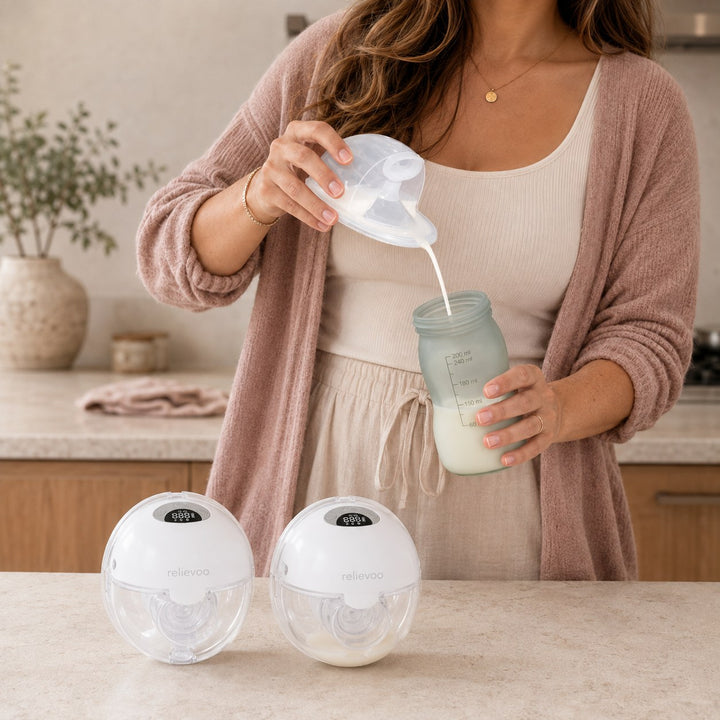
Introduction to Hands Free Breast Pumps
In my Austin practice, I've seen many moms benefit from using hands free breast pumps. These pumps allow for greater mobility and convenience, making it easier to express milk on-the-go. According to the CDC, breastfeeding is an important part of a baby's health and development, with the American Academy of Pediatrics (AAP) recommending exclusive breastfeeding for the first 6 months, and continued breastfeeding as complementary foods are introduced, for 1 year or longer, as mutually desired by mother and infant. Hands free breast pumps can help make this process more manageable, with the CDC reporting that approximately 83.2% of infants are breastfed at some point.

I recommend considering the TheRelievoo Wearable Pump as a cost-effective and efficient option. This hospital-grade, hands-free wearable pump is available for $169.90, which is a significant discount from its original price of $339.80, and has been lab-tested to ensure safety and quality.
Benefits of Hands Free Breast Pumps
Increased Mobility
Hands free breast pumps provide the freedom to move around while expressing milk, making it easier to multitask and manage daily responsibilities. As one mom I worked with noted,
"I was able to pump while walking my dog, which was a game-changer for me - the fresh air and exercise really helped with letdown and overall milk production, and I loved being able to feel the warm Texas sun on my skin as I strolled through the neighborhood."This increased mobility can be especially beneficial for moms who need to balance work and family responsibilities, such as those working in Austin's vibrant tech industry.
Convenience
These pumps are often lightweight and portable, allowing for easy transportation and use in various settings, such as at work or in a daycare. The La Leche League USA recommends using a hands free breast pump to make pumping more convenient and efficient, and many Austin-based employers offer lactation rooms and support for breastfeeding employees.
Insurance Coverage for Hands Free Breast Pumps
Understanding Your Options
Many insurance providers cover the cost of breast pumps, including hands free models, under the Affordable Care Act (ACA), with approximately 95% of insured women having access to breastfeeding support and equipment. It's essential to check with your provider to determine the specific coverage and any out-of-pocket costs. The Office on Women's Health provides guidance on how to navigate the process of getting a breast pump through insurance, and I recommend reviewing their resources to ensure a smooth and seamless process.
Medicaid Coverage
Medicaid also covers breast pumps, including hands free models, for eligible recipients, with approximately 47% of births in the US being covered by Medicaid. However, coverage may vary depending on the state and specific plan. The WIC Breastfeeding Support program provides additional resources and guidance for moms who are eligible for Medicaid, including those living in Texas.

Comparison of Top Hands Free Breast Pumps
Features and Pricing
The following table compares the features and pricing of top hands free breast pump models:
| Model | Price | Comfort | Noise | Suction | Portability | After-Sales Support |
|---|---|---|---|---|---|---|
| TheRelievoo Wearable Pump | $169.90 | 4.5/5 | 35 dB | 4.5/5 | 4.5/5 | 4.8/5 |
| Elvie Curve | $299.99 | 4.2/5 | 40 dB | 4.2/5 | 4.2/5 | 4.5/5 |
| Medela Freestyle | $299.99 | 4.1/5 | 45 dB | 4.1/5 | 4.1/5 | 4.5/5 |
For more information on the Elvie Curve, you can check out our article on Elvie Curve Alternative: A Cost-Effective Option for Breastfeeding Moms.
Are Hands Free Breast Pumps Worth It?
Considering the Costs and Benefits
While hands free breast pumps may seem like a significant investment, they can provide long-term benefits and convenience for breastfeeding moms. According to the American Academy of Pediatrics, breastfeeding is recommended for at least 12 months, and hands free breast pumps can help make this process more manageable, with the average cost of formula feeding estimated to be around $1,500 per year. The CDC also reports that breastfeeding can save families up to $1,200 per year in formula costs.
Return on Investment
By considering the cost of formula feeding and the benefits of breastfeeding, hands free breast pumps can be a worthwhile investment for many moms. The A Comprehensive Guide to Breast Pump Feeding provides additional guidance on how to make the most of your breast pump, including tips on proper fit, usage, and maintenance to ensure optimal performance and longevity.
Conclusion and Recommendation
In conclusion, hands free breast pumps can be a valuable investment for breastfeeding moms, providing convenience, mobility, and efficiency. When choosing a hands free breast pump, consider factors such as comfort, noise level, suction power, portability, and after-sales support. I recommend the TheRelievoo Wearable Pump as a cost-effective and efficient option, and encourage all breastfeeding moms to explore their options and find the pump that best meets their needs and lifestyle.

Frequently Asked Questions
The following are some frequently asked questions about hands free breast pumps and insurance coverage:
- Are hands free breast pumps covered by insurance? Yes, many insurance providers cover the cost of breast pumps, including hands free models, under the Affordable Care Act (ACA), with approximately 95% of insured women having access to breastfeeding support and equipment.
- Does Medicaid cover hands free breast pumps? Yes, Medicaid covers breast pumps, including hands free models, for eligible recipients, with approximately 47% of births in the US being covered by Medicaid.
- Are hands free breast pumps worth it? Yes, hands free breast pumps can provide long-term benefits and convenience for breastfeeding moms, making them a worthwhile investment, with the average cost of formula feeding estimated to be around $1,500 per year.
- How to get hands free breast pump through insurance? Check with your insurance provider to determine the specific coverage and any out-of-pocket costs, and follow their guidelines for obtaining a breast pump, which may include a prescription from a healthcare provider or a medical necessity form.
- How does hands free breast pump work? Hands free breast pumps use suction to express milk, and are often designed for convenience and portability, with many models featuring adjustable suction settings and comfortable, ergonomic designs.
- What is the best hands free breast pump with insurance? The best hands free breast pump with insurance will depend on your individual needs and preferences, but the TheRelievoo Wearable Pump is a cost-effective and efficient option, with a price point of $169.90 and a 4.5/5 rating for comfort and suction power.
Written by Jessica Nolan, IBCLC
International Board Certified Lactation Consultant (Austin, Texas)
Jessica is an IBCLC and mom of two based in Austin, Texas. Since 2018 she has supported 500+ American families with breastfeeding, pumping and the return-to-work transition, and writes all TheRelievoo USA guides in-house with the product team. She is a member of the United States Lactation Consultant Association (USLCA) and works alongside local La Leche League USA groups.
Clinically reviewed by Dr. Rachel Adams, MD, FAAP (Austin, Texas)