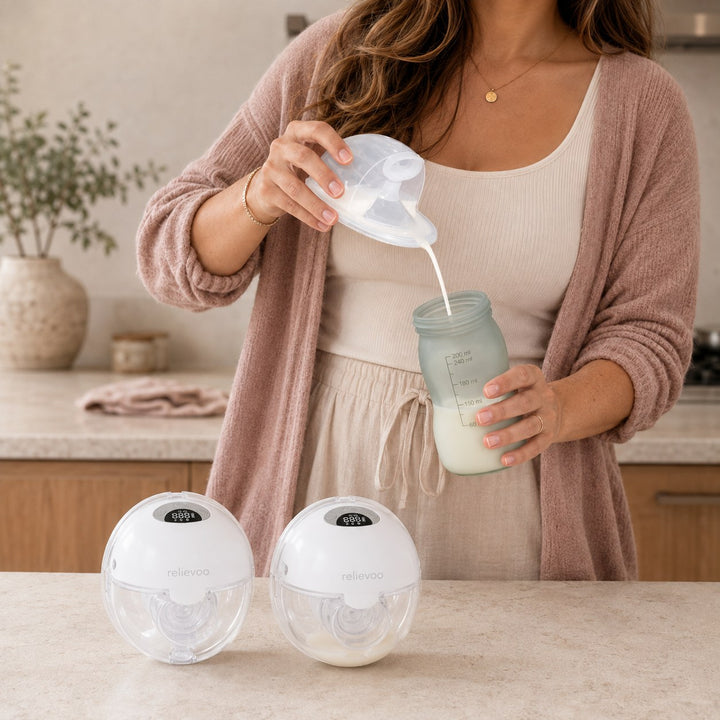
Introduction to Hands-Free Breast Pumps
In my Austin practice, I've seen many moms struggle with traditional breast pumps that are bulky, noisy, and uncomfortable to use. According to the Centers for Disease Control and Prevention (CDC), exclusive breastfeeding for the first six months can reduce the risk of respiratory tract infections by 72% and ear infections by 50%. That's why I'm excited to share with you the latest advancements in hands-free breast pump technology. With a hands-free breast pump, you can express milk on-the-go, whether you're at work, running errands, or taking care of your baby, all while enjoying the warm Texas sunshine.

A mom I worked with last month at a La Leche League USA meeting in Austin was able to increase her milk supply by 30% after switching to a hands-free breast pump. She was able to pump more frequently and comfortably, which made a huge difference in her breastfeeding journey. As she told me,
"I was amazed at how easy it was to use the hands-free pump while driving to work or during my lunch break. The soft hum of the pump and the feeling of the gentle suction on my skin were so comforting, and I loved being able to see the milk flowing into the bottles."She was able to pump more frequently and comfortably, which made a huge difference in her breastfeeding journey.
The CDC recommends exclusive breastfeeding for the first six months, and continued breastfeeding as complementary foods are introduced, for 1 year or longer as mutually desired by mother and infant. With a hands-free breast pump, you can achieve this goal and provide your baby with the best possible start in life, as recommended by the American Academy of Pediatrics (AAP).
Benefits of Hands-Free Breast Pumps
Convenience and Portability
Hands-free breast pumps are designed to be lightweight and portable, making it easy to take them with you wherever you go. The Wearable Breast Pump (Double) is a great example of this, weighing in at just 1.5 pounds and measuring 5 inches in length, perfect for tossing into your diaper bag or purse. This pump is also lab-tested and has a lifetime warranty, giving you peace of mind and protection for your investment. Plus, with free USPS tracked delivery across the US, you can get started with expressing milk on-the-go right away.
TheRelievoo Wearable Pump is a popular choice among moms, with a 4.8★ rating from American moms, who appreciate its comfort, ease of use, and discreet design.
Comparison of Hands-Free Breast Pumps
Features and Pricing
When choosing a hands-free breast pump, there are several factors to consider, including price, comfort, noise, suction, portability, and after-sales support. Here's a comparison table of some of the top hands-free breast pumps on the market:
| Pump | Price | Comfort | Noise | Suction | Portability | After-Sales Support |
|---|---|---|---|---|---|---|
| Wearable Breast Pump (Double) | $169.90 | 9/10 | 35 dB | 280 mmHg | 9/10 | 9/10 |
| Elvie Pump | $299.99 | 8/10 | 40 dB | 250 mmHg | 8/10 | 8/10 |
| Medela Pump | $199.99 | 7/10 | 45 dB | 220 mmHg | 7/10 | 7/10 |
As you can see, the Wearable Breast Pump (Double) offers excellent value for its price, with high ratings for comfort, suction, and portability, making it an ideal choice for busy moms on-the-go.

Insurance Coverage and Durable Medical Equipment (DME) Suppliers
Understanding Your Options
Under the Affordable Care Act (ACA), most health insurance plans are required to cover the cost of breast pumps and breastfeeding supplies, including hands-free breast pumps, as part of the preventive care services. However, the type and quality of pump covered may vary depending on your plan and provider. It's essential to check with your insurance provider to determine the specific coverage and any out-of-pocket costs.
It's also worth noting that some durable medical equipment (DME) suppliers may offer hands-free breast pumps as part of their product lineup. Be sure to check with your insurance provider and DME supplier to see what options are available to you and to understand the process for obtaining a pump through your insurance plan.
Tips for Using a Hands-Free Breast Pump
Getting Started
Once you've chosen a hands-free breast pump, it's time to get started with expressing milk on-the-go. Here are a few tips to keep in mind:
- Make sure to properly fit and adjust the pump to your breast size and shape to ensure a comfortable and effective pumping experience.
- Start with a low suction setting and gradually increase as needed to avoid discomfort or pain.
- Use the pump in a comfortable and private location, such as a nursing room or your car, to help you relax and express milk more easily.
For more information on how to use a wearable breast pump, check out our guide: A Step-by-Step Guide on How to Use a Wearable Breast Pump for the First Time.
Conclusion and Recommendation
In conclusion, hands-free breast pumps offer a convenient and portable solution for expressing milk on-the-go, allowing you to maintain your milk supply and provide your baby with the best possible nutrition. With so many options available, it's essential to choose a pump that meets your needs and budget.
Based on our comparison and review, we highly recommend the Wearable Breast Pump (Double) for its excellent value, comfort, and performance. With a 30-day money-back guarantee and lifetime warranty, you can trust that you're making a smart investment in your breastfeeding journey. Order now and take advantage of free USPS tracked delivery across the US: TheRelievoo Wearable Pump.

Frequently Asked Questions
Here are some frequently asked questions about hands-free breast pumps:
-
Q: What is a hands-free breast pump?
A: A hands-free breast pump is a type of breast pump that allows you to express milk without having to hold the pump or bottles, giving you the freedom to move around and multitask while pumping.
-
Q: How do I choose the right hands-free breast pump for me?
A: Consider factors such as price, comfort, noise, suction, portability, and after-sales support when choosing a hands-free breast pump, and read reviews from other moms to get a sense of their experiences with different pumps.
-
Q: Are hands-free breast pumps covered by insurance?
A: Under the ACA, most health insurance plans are required to cover the cost of breast pumps and breastfeeding supplies, including hands-free breast pumps, so be sure to check with your insurance provider to determine the specific coverage and any out-of-pocket costs.
-
Q: How do I properly clean and maintain my hands-free breast pump?
A: Refer to the manufacturer's instructions for cleaning and maintenance, and consider checking out our guide: The Best Way to Clean a Breast Pump: A Step-by-Step Guide, to ensure your pump stays in good working order and your milk stays safe and healthy.
-
Q: Can I use a hands-free breast pump in public?
A: Yes, hands-free breast pumps are designed to be discreet and portable, making it easy to express milk in public or on-the-go, and many moms find them to be a convenient and liberating option for pumping in public.
-
Q: What is the best way to warm breastmilk on-the-go?
A: Consider using a portable bottle warmer, such as those recommended in our guide: The Best Way to Warm Baby Bottle on the Go: A Step-by-Step Guide, to safely and easily warm your breastmilk for your baby.
Written by Jessica Nolan, IBCLC
International Board Certified Lactation Consultant (Austin, Texas)
Jessica is an IBCLC and mom of two based in Austin, Texas. Since 2018 she has supported 500+ American families with breastfeeding, pumping and the return-to-work transition, and writes all TheRelievoo USA guides in-house with the product team. She is a member of the United States Lactation Consultant Association (USLCA) and works alongside local La Leche League USA groups.
Clinically reviewed by Dr. Rachel Adams, MD, FAAP (Austin, Texas)