Introduction to Breast Pumps and HSE Guidelines
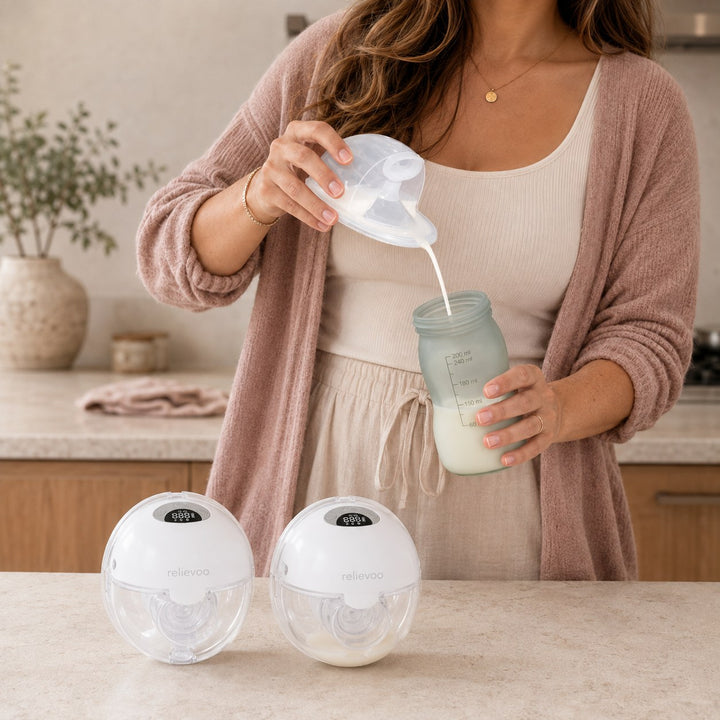
In my Dublin clinic, I often get asked about breast pumps and how to use them. As an International Board Certified Lactation Consultant (IBCLC), I recommend following the HSE breastfeeding guidelines, which can be found on the HSE website or by contacting the HSE's breastfeeding support line at 1850 24 1850. A good breast pump can make all the difference in expressing breast milk safely and efficiently. One such product is TheRelievoo Wearable Pump, a hospital-grade, hands-free wearable pump, now available for €109.90, down from €219.90. I've seen firsthand the difference it can make for busy mums, like those who attend our weekly breastfeeding support group at the cuidiú centre in Rathmines.

Choosing the Right Breast Pump
Understanding Your Needs
Before choosing a breast pump, it's essential to consider your needs. Will you be expressing milk occasionally or regularly? Do you need a pump for work or travel? Consider the cuidiú guidelines for breastfeeding and expressing milk, which recommend expressing milk 8-12 times in 24 hours for full-term babies. You can also contact the La Leche League of Ireland for personalized advice and support.
Types of Breast Pumps
There are several types of breast pumps available, including manual, single electric, and double electric pumps. The La Leche League of Ireland recommends choosing a pump that suits your lifestyle and needs. For example, if you're a working mum in Dublin, you may prefer a portable and discreet pump like TheRelievoo Wearable Pump.
Using a Breast Pump
Step-by-Step Guide
- Choose a comfortable and private space to express milk, like a designated breastfeeding room in your workplace or a quiet corner in your home.
- Wash your hands and sterilize the pump and accessories, following the manufacturer's instructions, to prevent bacterial contamination and infection.
- Assemble the pump according to the manufacturer's instructions, making sure all parts are securely attached and the pump is set to the correct suction level.
- Express milk, following the HSE breastfeeding guidelines, which recommend expressing milk for 10-15 minutes per breast or until milk flow slows down.

Common Mistakes to Avoid
Incorrect Flange Size
Using an incorrect flange size can lead to discomfort, nipple trauma, and reduced milk expression. Ensure you choose the right size for your nipples, and consider consulting with a lactation consultant or a breastfeeding support group for guidance. I recall a mum who came to my clinic with nipple soreness and low milk supply, only to discover that she was using a flange size that was too small for her nipples. After switching to a larger flange size, she noticed a significant improvement in her milk supply and comfort level.
I was expressing milk for my baby, but I was using a flange size that was too small, which caused nipple soreness and discomfort. After switching to a larger flange size, I noticed a significant improvement in my milk supply and comfort level. I was able to express milk more efficiently and comfortably, and my baby was happy and healthy. - Rachel, Dublin 4
Insufficient Sterilization
Failing to sterilize the pump and accessories can lead to bacterial contamination and infection. Always follow the manufacturer's sterilization instructions, and consider using a microwave steam sterilizer or a dishwasher with a sterilization cycle to make the process easier and more efficient.
Tips for Expressing Milk at Work
Understanding Your Rights
As a breastfeeding mum, you have the right to express milk at work, as outlined in the Friends of Breastfeeding guidelines. Your employer is required to provide a suitable space for expressing milk, and you can take regular breaks to express milk during work hours. You can also contact the Citizens Information phone service at 0761 07 4000 for more information on your rights and entitlements.
Choosing the Right Pump for Work
Consider a portable and discreet pump, such as TheRelievoo Wearable Pump, for expressing milk at work. This pump is lightweight, quiet, and easy to use, making it perfect for busy working mums who need to express milk on-the-go. For more information on pumping at work, see our guide on Pumping at Work NZ: A Step-by-Step Guide.
Conclusion and Recommendations
In conclusion, choosing and using a breast pump can seem overwhelming, but with the right guidance and support, you can express breast milk safely and efficiently. Consider TheRelievoo Wearable Pump, now available for €109.90, down from €219.90, with free An Post tracked delivery across Ireland, 30-day money-back guarantee, and lifetime warranty. Rated 4.8★ by Irish mums, this pump is a popular choice among breastfeeding mothers in Ireland. You can also contact the HSE breastfeeding support line at 1850 24 1850 or the cuidiú helpline at 01 814 0653 for more information and support.

Frequently Asked Questions
Here are some frequently asked questions about breast pumps and HSE guidelines:
- Q: What is the best breast pump for occasional use? A: Consider a manual or single electric pump for occasional use, such as the TheRelievoo Manual Pump.
- Q: How often should I sterilize my breast pump? A: Sterilize your pump and accessories after each use, according to the manufacturer's instructions, to prevent bacterial contamination and infection.
- Q: Can I use a breast pump at work? A: Yes, you have the right to express milk at work, as outlined in the Friends of Breastfeeding guidelines. Choose a portable and discreet pump, such as TheRelievoo Wearable Pump.
- Q: What are the HSE guidelines for breastfeeding? A: The HSE provides guidelines for breastfeeding, including expressing milk and storing breast milk, which can be found on the HSE website or by contacting the HSE's breastfeeding support line at 1850 24 1850.
- Q: How do I choose the right flange size for my breast pump? A: Choose a flange size that fits comfortably and allows for proper milk expression. Consider consulting with a lactation consultant or a breastfeeding support group for guidance.
- Q: What is the difference between a single and double electric breast pump? A: A double electric pump expresses milk from both breasts simultaneously, while a single electric pump expresses milk from one breast at a time.
Written by Aoife Byrne, IBCLC
International Board Certified Lactation Consultant (Dublin, Ireland)
Aoife is an IBCLC and mum of two based in Dublin. Since 2018 she has supported 500+ Irish families with breastfeeding, expressing and the return-to-work transition, and writes all TheRelievoo Ireland guides in-house with the product team. She is a member of the Association of Lactation Consultants in Ireland (ALCI) and volunteers with cuidiú.
Clinically reviewed by Dr Niamh O'Sullivan, MB BCh BAO, MICGP (Dublin)