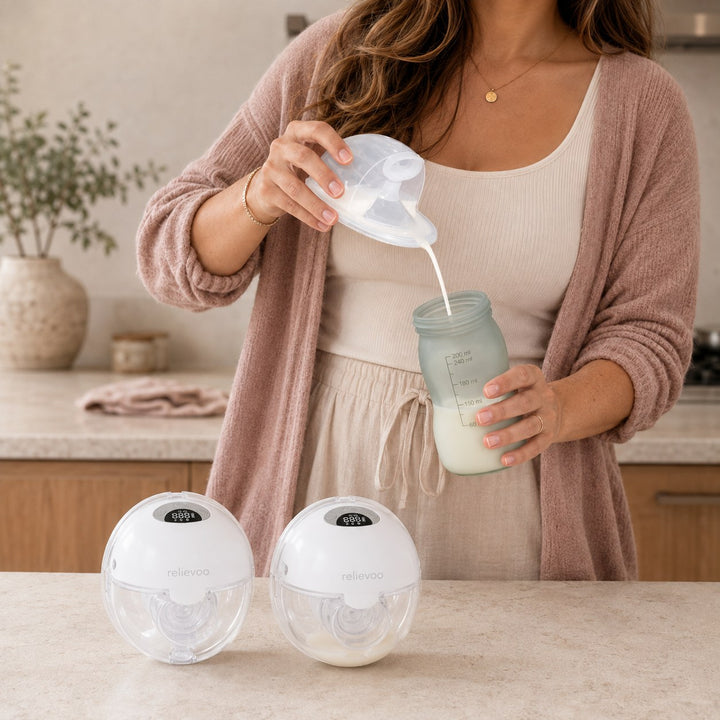
Introduction to Breast Pump Feeding
As an International Board Certified Lactation Consultant (IBCLC) based in London, I have worked with numerous mums who have successfully used breast pumps to feed their babies. In this guide, we will cover the basics of breast pump feeding, including how to choose the right pump, how to use it effectively, and how to establish a successful pumping routine, in line with the NHS recommendations (NICE CG53) for exclusive breastfeeding for the first six months.

The NHS recommends exclusive breastfeeding for the first six months (NICE CG53), but for mums who need to express milk, a good breast pump is essential. The TheRelievoo Wearable Pump is a popular choice among UK mums, offering hospital-grade, hands-free pumping at an affordable price of £85.90 (was £171.80), making it an excellent option for those looking for a reliable and efficient breast pump.
Benefits of Breast Pump Feeding
Convenience and Flexibility
Breast pump feeding allows mums to express milk and store it for later use, making it ideal for working mums or those who need to leave their babies with caregivers. With a wearable breast pump like TheRelievoo Wearable Pump, mums can pump on-the-go, making it easy to fit pumping into a busy schedule, whether that's during a commute on the London Underground or while running errands in Covent Garden.
Increased Milk Supply
Regular pumping can help increase milk supply, which is especially beneficial for mums who are struggling to produce enough milk. The NCT recommends pumping 8-12 times in 24 hours to establish a good milk supply, and I have seen this approach work well for many of my clients, including one mum who
was able to increase her milk supply from 2 ounces to 6 ounces per pumping session after implementing a consistent pumping routine and using a high-quality breast pump like TheRelievoo Wearable Pump. She was thrilled to be able to provide enough milk for her baby and felt a sense of relief and confidence in her ability to breastfeed.
Choosing the Right Breast Pump
Breast Pump Feeding Bottle
When choosing a breast pump, consider the type of bottle or storage container that comes with it. Look for a pump that is compatible with your preferred bottle or storage system, such as the Medela or Dr. Brown's options available at most UK pharmacies, including Boots and Tesco. TheRelievoo Wearable Pump comes with a range of storage options, including bottles and breast milk storage bags, making it easy to find a system that works for you.
Breast Pump Feeding Schedule
Establishing a pumping schedule is crucial to ensure a consistent milk supply. The NHS recommends pumping 8-12 times in 24 hours (NICE CG53), but this may vary depending on individual needs. A good breast pump should allow for easy scheduling and tracking of pumping sessions, and many pumps, including TheRelievoo Wearable Pump, come with built-in timers and reminders to help you stay on track.

Common Mistakes to Avoid
Breast Pump Feeding Good or Bad
One common mistake is not properly sterilizing the breast pump and its parts, which can lead to infection and other complications. Always follow the manufacturer's instructions for cleaning and sterilizing the pump, and be sure to wash your hands thoroughly before and after handling the pump and its parts. I recommend using a microwave steam steriliser, like the ones available at Mothercare, to ensure your pump is properly sterilised.
Breast Pump Feeding Video
Watching videos or tutorials on how to use a breast pump can be helpful, but it's essential to follow proper technique to avoid discomfort or injury. The NICE guidelines (CG53) recommend seeking advice from a healthcare professional or lactation consultant for proper pumping technique, and I always advise my clients to consult with a qualified professional before starting to pump.
Establishing a Successful Pumping Routine
Breastfeeding Pump Tutorial
A good breast pump should come with a comprehensive tutorial or guide on how to use it. TheRelievoo Wearable Pump comes with a detailed user manual and online resources to help mums get started with pumping, including video tutorials and troubleshooting guides. I also recommend consulting with a lactation consultant or healthcare professional for personalized guidance and support.
Breast Pump Feeding Machine
When choosing a breast pump, consider the type of machine and its features. A wearable breast pump like TheRelievoo Wearable Pump offers hands-free pumping and a compact design, making it easy to use on-the-go, whether you're at home in your living room or out and about in the city. Look for a pump that is comfortable, efficient, and easy to use, and don't hesitate to reach out to the manufacturer or a healthcare professional if you have any questions or concerns.
Conclusion and Next Steps
Breast pump feeding can be a convenient and effective way to feed your baby, but it's essential to choose the right pump and establish a successful pumping routine. With the right guidance and support, mums can overcome common challenges and enjoy the benefits of breast pump feeding. For more information on pumping at work, check out our guide on pumping at work laws in Texas or our comparison of the Elvie Pump Alternative. Consider trying the TheRelievoo Wearable Pump for your breast pump feeding needs, and don't hesitate to reach out to me or another qualified healthcare professional if you have any questions or concerns.

Frequently Asked Questions
-
Q: What is breast pump feeding?
A: Breast pump feeding refers to the use of a breast pump to express milk, which is then fed to the baby, as recommended by the NHS (NICE CG53) and the World Health Organization (WHO).
-
Q: What is breast milk feeding?
A: Breast milk feeding refers to the act of feeding a baby breast milk, either directly from the breast or through expressed milk, and is recommended by the NHS (NICE CG53) and the WHO for the first six months of life.
-
Q: Can I use a breast pump to feed my baby?
A: Yes, a breast pump can be used to express milk, which can then be fed to the baby, and is a great option for working mums or those who need to leave their babies with caregivers.
-
Q: What is pump feeding?
A: Pump feeding refers to the use of a breast pump to express milk, which is then fed to the baby, and is a convenient and effective way to provide breast milk to your baby when you're not able to breastfeed directly.
-
Q: What do I need for breastfeeding and pumping?
A: You will need a good breast pump, storage containers, and a comfortable nursing bra, such as the ones available at JoJo Maman Bébé or H&M. TheRelievoo Wearable Pump is a popular and affordable option, priced at £85.90 (was £171.80), and offers hospital-grade, hands-free pumping and a range of storage options.
-
Q: What breast pump should I get in the UK?
A: TheRelievoo Wearable Pump is a popular and affordable option, priced at £85.90 (was £171.80), and offers hospital-grade, hands-free pumping and a range of storage options, making it an excellent choice for UK mums. Be sure to consult with a healthcare professional or lactation consultant for personalized recommendations and guidance.
Written by Olivia Bennett, IBCLC
International Board Certified Lactation Consultant (London, UK)
Olivia is an IBCLC and mum of two based in London. Since 2018 she has supported 500+ British families with breastfeeding, expressing and the back-to-work transition, and writes all TheRelievoo UK guides in-house with the product team. She has been quoted in Mother and Baby and Cosmopolitan UK.
Clinically reviewed by Dr Hannah Whitfield, MBBS MRCGP (London)