Introduction to Pumping at Work Australia
In my Sydney clinic, I often meet mums who are concerned about pumping at work. As an International Board Certified Lactation Consultant (IBCLC), I want to reassure you that pumping at work is a normal part of breastfeeding. The Australian Breastfeeding Association recommends expressing breast milk regularly to maintain milk supply and relieve breast fullness. You can call the Australian Breastfeeding Association's National Breastfeeding Helpline on 1800 686 268 for personalized advice and support.
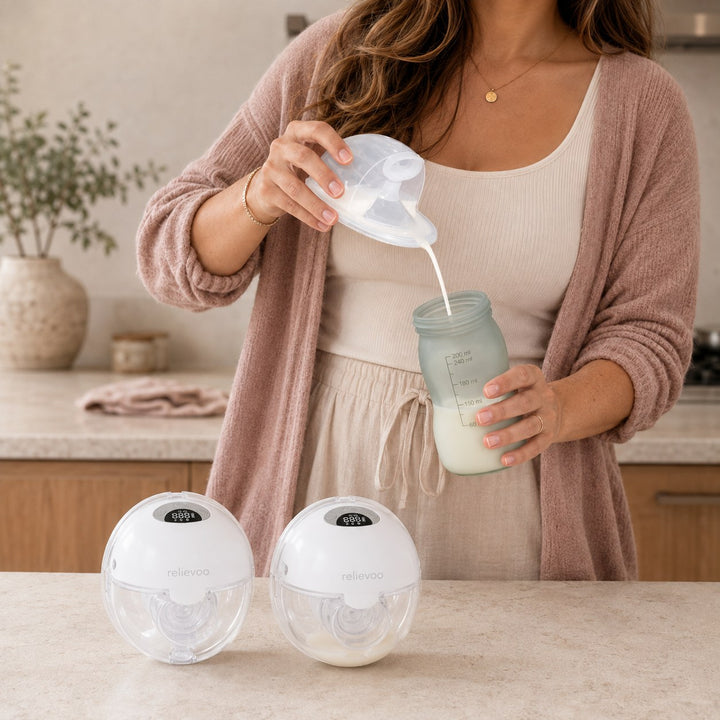
A mum I worked with last month at an ABA group was struggling to find a suitable breast pump for work. She discovered the TheRelievoo Wearable Pump (Double) for $169.90, which is a hospital-grade, hands-free wearable pump under 35 dB. With free Australia-wide shipping and a 30-day money-back guarantee, it's an excellent option for working mums. I recall she was thrilled to find a pump that was not only efficient but also discreet, allowing her to pump in her office without drawing attention to herself.
I remember one mum who was working in a busy office in the Sydney CBD, she was able to pump in a private room while her baby was being cared for by her partner at home. She would express her milk, label and date it, and then store it in the office fridge for later use. She found that pumping at work helped her to maintain her milk supply and relieve any discomfort, and she was able to continue breastfeeding her baby for several months.
Understanding Your Rights
Pumping at Work Law Australia
According to the Australian Breastfeeding Association, all employees have the right to express breast milk at work. Employers must provide a safe and private area for pumping, as well as reasonable breaks to express milk. You can contact the Fair Work Ombudsman on 13 13 94 for more information on your rights as a breastfeeding employee.
Pumping Breaks at Work Australia
The Raising Children Network recommends that employers provide regular breaks for pumping, ideally every 3-4 hours. These breaks should be paid and can be taken in addition to regular meal breaks. It's essential to discuss your pumping schedule with your employer to ensure you can maintain your milk supply and comfort level.
Step-by-Step Guide to Pumping at Work
- Discuss your needs with your employer: Before returning to work, talk to your employer about your pumping needs and schedule. Be sure to provide them with information on your required breaks and any necessary accommodations.
- Find a private pumping area: Identify a private area where you can pump, such as a lactation room or a quiet office. If your workplace doesn't have a dedicated lactation room, you can discuss alternative options with your employer.
- Bring necessary equipment: Bring your breast pump, storage bags, and any other necessary equipment to work. Don't forget to pack a small cooler with ice packs to store your expressed milk safely.
- Pump regularly: Pump every 3-4 hours to maintain milk supply and relieve breast fullness. You can set reminders on your phone or ask a colleague to remind you when it's time to pump.
- Store expressed milk safely: Store expressed milk in a fridge or insulated bag with ice packs, following the Australian Breastfeeding Association's guidelines for storing breast milk. Be sure to label and date each container to ensure you use the oldest milk first.
Common Mistakes to Avoid
One common mistake mums make is not pumping regularly enough, which can lead to engorgement and decreased milk supply. Another mistake is not storing expressed milk safely, which can cause bacterial contamination. To avoid these mistakes, be sure to follow proper pumping and storage techniques, and don't hesitate to reach out to a lactation consultant or your healthcare provider for guidance.
Tips for Pumping at Work
Pumping at Work Tips
The Pregnancy, Birth and Baby website provides tips for pumping at work, including wearing loose, comfortable clothing and using a nursing singlet to make pumping easier. You can also consider using a breast pump with a built-in battery pack or a portable power bank to ensure you can pump anywhere, anytime.
How to Pump at Work
For more information on how to pump at work, visit the Healthdirect Australia website, which provides guidance on expressing breast milk and storing it safely. You can also call the Healthdirect Australia helpline on 1800 022 222 for personalized advice and support.
Conclusion and Frequently Asked Questions
In conclusion, pumping at work in Australia can be challenging, but with the right equipment and support, it can be a success. Consider reading our article on Momcozy vs Elvie Australia: A Comprehensive Comparison of Wearable Breast Pumps to find the best breast pump for your needs. You can also visit the Australian Breastfeeding Association website for more information on breastfeeding and expressing breast milk.
For a comprehensive guide to wireless breast pumps in Australia, visit our article on Wireless Breast Pump Australia: A Comprehensive Buyer's Guide. Invest in a good quality breast pump, such as TheRelievoo Wearable Pump (Double), to make pumping at work easier and more efficient.
Frequently Asked Questions
Here are some frequently asked questions about pumping at work in Australia:
-
Q: Is pumping at work protected?
A: Yes, pumping at work is protected under Australian law. Employers must provide a safe and private area for pumping, as well as reasonable breaks to express milk.
-
Q: What to bring to pump at work?
A: Bring your breast pump, storage bags, and any other necessary equipment to work. Don't forget to pack a small cooler with ice packs to store your expressed milk safely.
-
Q: Does pumping at work count as a break?
A: Yes, pumping at work can count as a break. Employers must provide paid breaks for pumping, ideally every 3-4 hours.
-
Q: Do workplaces have to provide a place to pump?
A: Yes, workplaces must provide a safe and private area for pumping. If your workplace doesn't have a dedicated lactation room, you can discuss alternative options with your employer.
-
Q: How often should I pump at work?
A: Pump every 3-4 hours to maintain milk supply and relieve breast fullness. You can set reminders on your phone or ask a colleague to remind you when it's time to pump.
-
Q: Can I store expressed milk in the office fridge?
A: Yes, you can store expressed milk in the office fridge, but make sure to label it and store it safely to prevent contamination. Be sure to follow the Australian Breastfeeding Association's guidelines for storing breast milk.
Written by Emma Hart, IBCLC
International Board Certified Lactation Consultant (Sydney, Australia)
Emma is an IBCLC and mum of two based in Sydney. Since 2018 she has supported 500+ Australian families with breastfeeding, expressing and the return-to-work transition, and writes all TheRelievoo Australia guides in-house with the product team. She is a member of the Australian Breastfeeding Association.
Clinically reviewed by Dr Sophie Nguyen, MBBS FRACGP (Sydney)