Introduction to the FMLA Return to Work Process
As a lactation consultant in Austin, Texas, I've worked with many moms who have taken advantage of the Family and Medical Leave Act (FMLA) to care for their newborns. However, returning to work after FMLA leave can be a daunting task, especially for breastfeeding moms. According to the CDC, breastfeeding is an important aspect of infant care, and many moms want to continue breastfeeding after returning to work. The American Academy of Pediatrics (AAP) recommends exclusive breastfeeding for the first six months of life, and continued breastfeeding as complementary foods are introduced, for 1 year or longer as mutually desired by mother and infant. In fact, the CDC reports that in 2020, approximately 83.9% of infants in the US were breastfed at some point, highlighting the importance of supporting breastfeeding moms in the workplace.

Returning to work after FMLA leave requires careful planning and preparation to ensure a smooth transition for both mom and baby. In this article, we will provide a step-by-step guide to navigating the FMLA return to work process and continuing to breastfeed with confidence. Whether you're a mom working in downtown Austin or a remote employee, we've got you covered with practical tips and resources to support your breastfeeding journey.
FMLA Release to Return to Work
Before returning to work, it's essential to understand the FMLA release to return to work process. This process typically involves providing a doctor's note or a release from your healthcare provider, stating that you are able to return to work. Be sure to check with your employer for their specific requirements, as some may have additional forms or documentation needed.
How to Return to Work After FMLA
Returning to work after FMLA leave requires some planning and preparation. Here are some steps to follow:
- Notify your employer: Provide your employer with a written notice of your intention to return to work, including the date of your return. This can be done via email or mail, and be sure to keep a copy for your records.
- Discuss your work schedule: Talk to your employer about your work schedule and any necessary accommodations, such as breaks for pumping or expressing breast milk. The US Department of Labor requires that employers provide reasonable break time for nursing mothers to express breast milk, so be sure to discuss your needs with your employer.
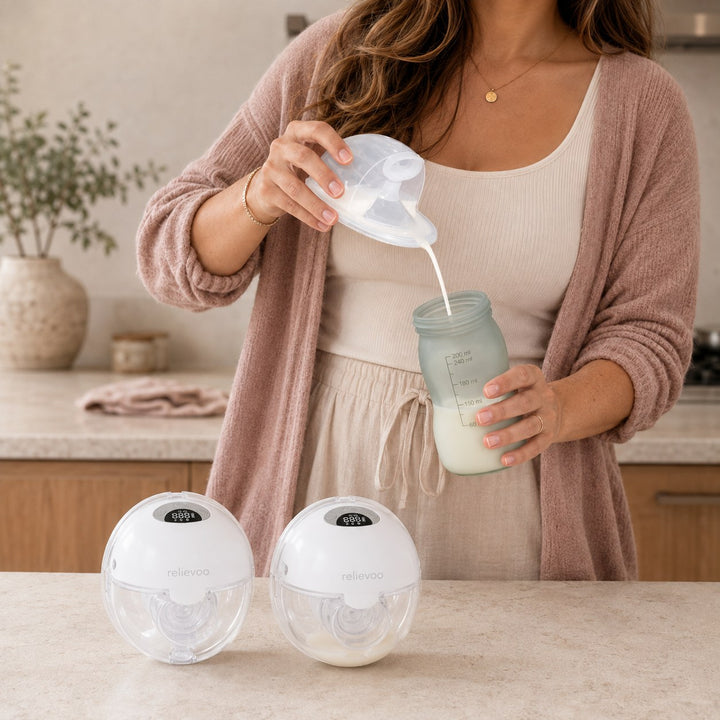
- Prepare your pumping plan: Invest in a good breast pump, such as the TheRelievoo Wearable Pump, which is lab-tested and available for $169.90. Plan out your pumping schedule, including where you will pump, how often, and how you will store your expressed breast milk. Consider investing in a Medela breast milk storage bag to keep your milk safe and fresh.
- Communicate with your colleagues: Let your colleagues know that you will be returning to work and may need to take breaks to pump or express breast milk. This can help to reduce any stigma or discomfort and ensure a smooth transition back to work.
Step-by-Step Guide to Returning to Work
Step 1: Notify Your Employer
Notifying your employer of your intention to return to work is the first step in the FMLA return to work process. This should be done in writing, including the date of your return. Be sure to keep a copy of your notification for your records, in case of any disputes or issues.
Step 2: Discuss Your Work Schedule
Discussing your work schedule with your employer is crucial to ensuring that you can continue to breastfeed while working. This may involve negotiating breaks for pumping or expressing breast milk, as well as discussing any other necessary accommodations, such as a private space for pumping or storing expressed breast milk.
Step 3: Prepare Your Pumping Plan
Preparing your pumping plan involves investing in a good breast pump, such as the TheRelievoo Wearable Pump, and planning out your pumping schedule. This may also involve storing your expressed breast milk in a safe and hygienic manner, such as using a Medela breast milk storage bag. Consider investing in a Nuk breast milk storage container to keep your milk organized and fresh.
I remember working with a mom who was returning to work after FMLA leave and was worried about pumping in the office. We worked together to create a pumping plan, including investing in a portable breast pump and finding a private space for pumping. With a little planning and preparation, she was able to successfully return to work and continue breastfeeding her baby. She even reported that her milk supply increased after returning to work, thanks to the regular pumping schedule and stress-reducing techniques we discussed.
Common Mistakes to Avoid
Avoiding common mistakes is essential to a successful return to work after FMLA leave. Some common mistakes to avoid include:
- Not notifying your employer in writing
- Not discussing your work schedule and necessary accommodations
- Not preparing your pumping plan

Additional Resources
For more information on breastfeeding and returning to work, visit the La Leche League USA website or the Office on Women’s Health (HHS) website. You can also read our article on Portable Bottle Warmer Baby: A Comprehensive Buyer's Guide for more information on bottle warmers. Additionally, consider reaching out to a local lactation consultant or breastfeeding support group, such as the Austin WIC program, for personalized guidance and support.
Conclusion
Returning to work after FMLA leave can be challenging, but with the right planning and preparation, it is possible to continue breastfeeding with confidence. By following the steps outlined in this guide and avoiding common mistakes, you can ensure a successful return to work and continue to provide your baby with the benefits of breast milk. Consider investing in a good breast pump, such as the TheRelievoo Wearable Pump, which is available for $169.90 and comes with free USPS tracked delivery across the US, a 30-day money-back guarantee, and a lifetime warranty. With the right support and resources, you can thrive as a breastfeeding mom in the workplace.

Frequently Asked Questions
Here are some frequently asked questions about the FMLA return to work process:
-
Q: How to return to work after FMLA?
A: Returning to work after FMLA leave requires notifying your employer, discussing your work schedule, preparing your pumping plan, and communicating with your colleagues. -
Q: Do you have to return to work after FMLA?
A: Yes, the FMLA requires that you return to work after your leave, unless you have made other arrangements with your employer. -
Q: How long do I have to return to work after FMLA?
A: You typically have 12 weeks to return to work after FMLA leave, but this may vary depending on your employer and your individual circumstances. -
Q: Can you return to work early from FMLA?
A: Yes, you can return to work early from FMLA leave, but you must notify your employer and make arrangements for your return to work. -
Q: Do you have to return to work after FMLA leave?
A: Yes, the FMLA requires that you return to work after your leave, unless you have made other arrangements with your employer. -
Q: Does FMLA require you to return to work?
A: Yes, the FMLA requires that you return to work after your leave, unless you have made other arrangements with your employer.
Written by Jessica Nolan, IBCLC
International Board Certified Lactation Consultant (Austin, Texas)
Jessica is an IBCLC and mom of two based in Austin, Texas. Since 2018 she has supported 500+ American families with breastfeeding, pumping and the return-to-work transition, and writes all TheRelievoo USA guides in-house with the product team. She is a member of the United States Lactation Consultant Association (USLCA) and works alongside local La Leche League USA groups.
Clinically reviewed by Dr. Rachel Adams, MD, FAAP (Austin, Texas)